By what I will write may be taken as controversial. Yet, with the rise of influencers such as IShowSpeed (real name Darren Nasson Watkins Jr), a structural shift in how social media functions is happening in real time.
This shift has seen the realignment of an entertainment platform into an unfiltered window into an individual’s life.
This has profound implications for social media branding and for public relations and marketing disciplines.
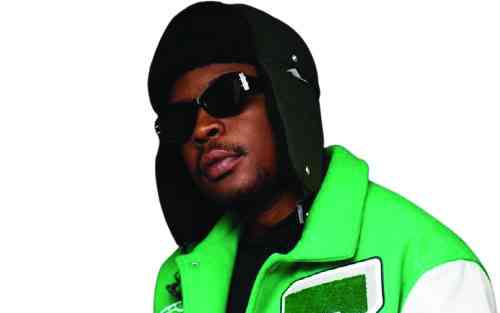
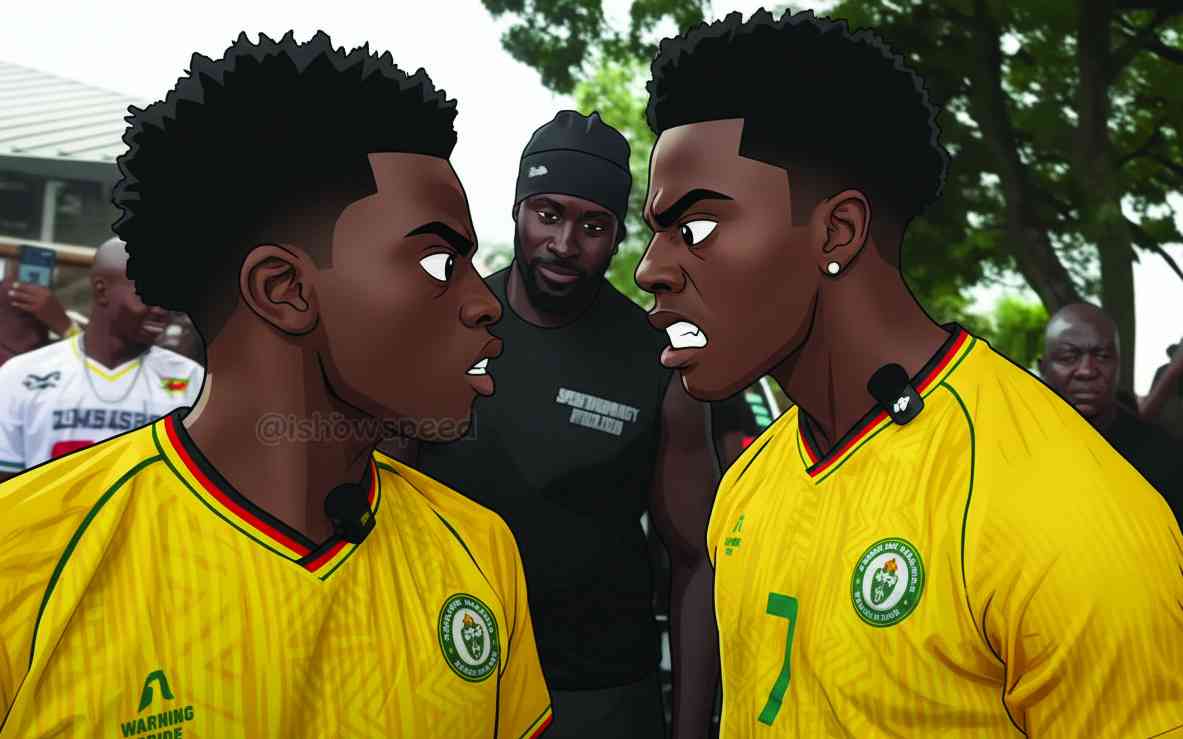
Who the heck is IShowSpeed (or just Speed) in the first place? He is a famous American YouTube content creator who has lately garnered nearly 50 million views (at the last count) on his live streams.
Speed is known for his high-energy, chaotic, and humorous content, and commentary, attracting millions of fans globally with his spontaneous personality and frequent world tours.
He is currently touring Africa for the first time and was in Zimbabwe very recently.
IShowSpeed’s influence cannot be understood through traditional celebrity or influencer frameworks. His appeal is not built on polish, curation, or aspirational perfection. It is built on spontaneity, disorder, emotional transparency, and unpredictability.
His content thrives on chaos rather than control like his very straight-jacketed current tour of Egypt is showing.
- Ex-Q, Winky D, Baba Harare head for Odyssey
- Music teacher celebrates African heritage
- Ex-Q, Winky D, Baba Harare head for Odyssey
- Byo singer elated at playing on African music charts
Keep Reading
His modus operandi is precisely what resonates with his core audience: Gen Z and the emerging Generation Alpha for whom digital immersion is native, not learned. Tablets, live streaming, short-form video, AI, and constant connectivity are current realities.
As a result, these generations are highly attuned to authenticity signals and highly dismissive of performative branding.
Social media, in this context, is no longer a highlight reel. It is becoming an unadulterated real-time feed into how someone thinks, reacts, fails, and improvises. Speed’s streams remove the boundary between private and public, polished and raw.
The audience is not consuming a message; they are witnessing a person. That distinction is important.
This transformation exposes the growing mismatch between the usual influencer strategies and contemporary digital culture.
The backlash from some South African celebrities and influencers during Speed’s visit illustrated this gap.
Their frustration stemmed from an expectation of recognition within a hierarchy they understand, that of curated visibility, controlled access, and carefully staged national representation.
What they presented was a “strait-jacketed” version of place and self, designed for approval rather than engagement. Speed ignored it, not out of malice, but because it was incompatible with his format and his audience’s expectations.
However, he slammed into the brick wall of stifling bureaucracy in the land of the pharaohs much to his frustration.
In sharp contrast, Zimbabwe, Zambia, Kenya and Ethiopia understood the script and they loosened the red tape.
This allowed the spontaneous entry of Mudiwa Jani (aka Temu Speed) to shine.
And shine he did to the extent that he has become part of the remainder of Speed’s tour due to his strategic intuition.
By entering Speed’s stream unscripted and without image protection, he aligned himself with the logic of the platform rather than fighting it.
The “Temu Speed” moment worked because it embraced risk, immediacy, and humour. It was not brand-safe in the traditional sense, but it was culturally fluent.
The result was organic attention, audience goodwill, and genuine connection with Speed himself. With it, Jani carried brand Zimbabwe wherever they went.
From a PR perspective, this was adaptive branding in real time.
Speed’s visit to Zimbabwe further illustrates how social media is reshaping nation branding and destination PR.
Zimbabwe did not trend because of polished tourism visuals, or official campaigns.
It trended because audiences experienced the country through Speed’s unscripted reactions, movements, and interactions.
The exposure felt real, not mediated.
Zimbabwe emerged from glossy brochures into lived digital experience. For Gen Z and Gen Alpha audiences, that form of visibility carries more credibility than traditional promotional content.
For PR and Marketing practitioners, the implications are clear.
Social media branding can no longer rely primarily on message discipline, visual perfection, or influencer control.
Platforms that privilege live content, short-form video, and algorithmic discovery reward authenticity, responsiveness, and personality over planning.
The role of PR is shifting from message management to environment readiness: for marketing its about preparing brands, individuals, and institutions to operate in unpredictable, unscripted digital spaces.
This does not mean abandoning strategy. It means redefining it.
Strategic value now lies in cultural literacy, audience understanding, and the ability to distinguish between moments that require control and moments that require surrender.
Influencers like IShowSpeed are not anomalies; they are indicators of where attention is moving.
As social media continues to evolve into a transparent mirror of individual lives, PR and Marketing as communication tools must evolve from storytelling to story-living.
Those who understand this will gain relevance. Those who cling to curated perfection risk becoming invisible to the very audiences they have the potential to reach.
n Lenox Mhlanga is a strategic communication practitioner with over 25 years of experience in the field. He has works with blue-chip companies, government institutions, civic organisations and agencies in Zimbabwe and the region. He also provides mentorship to business leaders in communication strategy and can be contacted at: [email protected] or mobile: +263 772 400 656