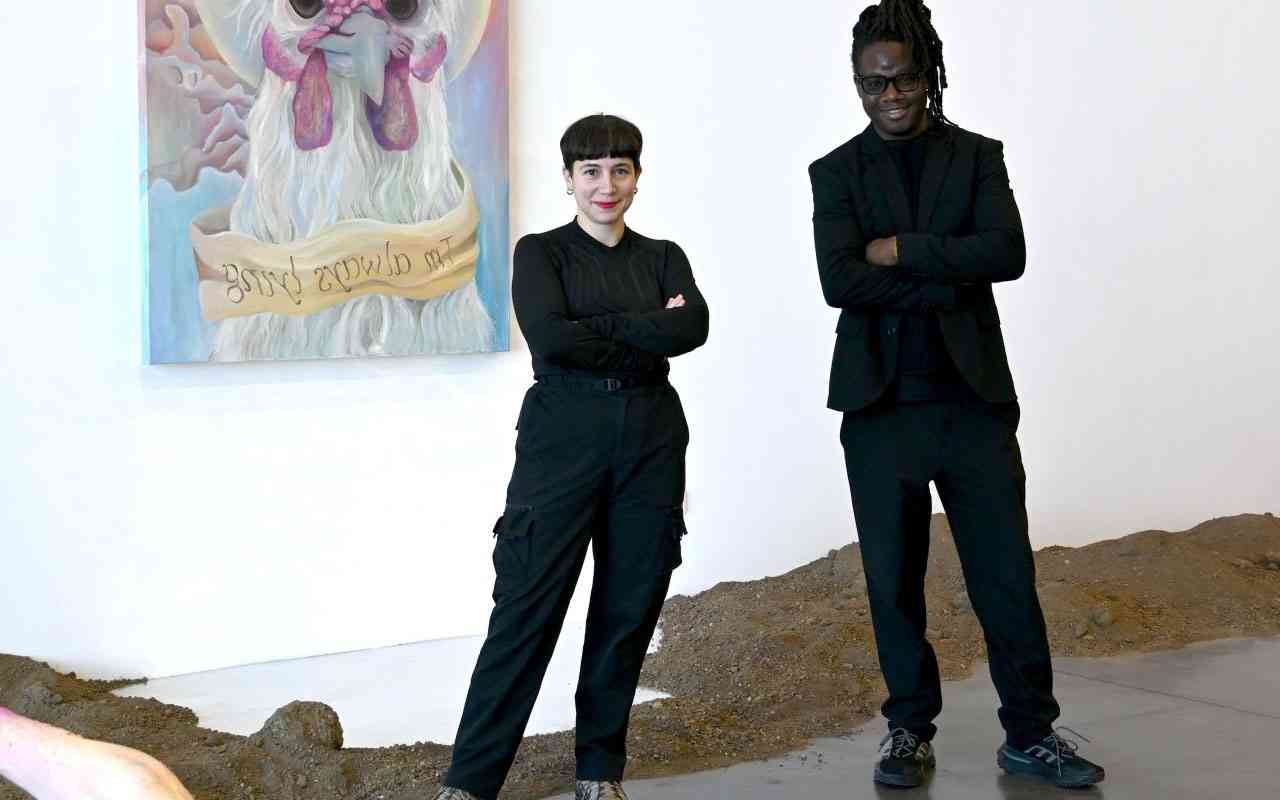
First Floor Gallery Harare (FFGH), Zimbabwe’s pioneering contemporary art space, recently unveiled an ambitious programme for 2026.
Entering its 16th year, the gallery’s schedule features a powerful roster of solo exhibitions, strategic local and international projects and community-focused events.
A major highlight is the presentation of new solo exhibitions from the gallery’s star artists — Grace Nyahangare, Helen Teede, Wycliffe Mundopa, Troy Makaza and Anne Zanele Mutema, alongside special projects by Ishe Dondo and Rodney Badza.
Promising emerging artist Tadiwa Mafuta joins as the first 2026 artist-in-residence. The residency programme continues the gallery’s foundational mission to identify and develop the next generation of star artists.
In February FFGH will embark on an active international art fair circuit, beginning with its 11th participation at Investec Cape Town Art Fair, the largest and leading international art fair on the African continent. Alongside showcasing a broad spectrum of the gallery programme in the Main Section booth, the gallery is also proud to present a special dialogue project between artist and educator Shamilla Aasha and contemporary visual artist Amanda Shingirai Mushate, as part of Generations Section curated by Tandazani Dlakhama.
According to officials, the Generations project is part of a key strategy for 2016 to highlight women artists and women as key stakeholders in development of the art sector. As part of the strategy, FFGH will host a special Women’s High Tea on International Women’s Day, dedicated to art and conversation celebrating the contributions of women in the arts.
Looking towards at the market in 2026, FFGH aims plans to deepen collaborations with local corporates and private developers.
“We are actively working to integrate Zimbabwean art and design into the fabric of our built environment,” explained gallery director Valerie Kabov. “This not only celebrates Zimbabwean culture in everyday spaces but also creates vital, sustainable opportunities for local creatives.”
- Makaza uses silicone to build powerful metaphors
- Exhibition celebrates love and art
- Spiritual reality in Simon Back exhibition
- Majiri steps up like a senpai
Keep Reading
“Our model has always been dual-focused: rigorous artist development and proactive market engagement. One fuels the other. This social enterprise ethos is what allows us to consistently invest in our artists’ careers and contribute to the cultural economy,” stated gallery manager Rodney Badza.
Innovating and growing every step of the way has enabled First Floor Gallery Harare to stay at the forefront of developing careers, engaging audiences, cultural advocacy and cultivating a robust local market for contemporary art from Zimbabwe and beyond.