Book review: The Silence of Rocks
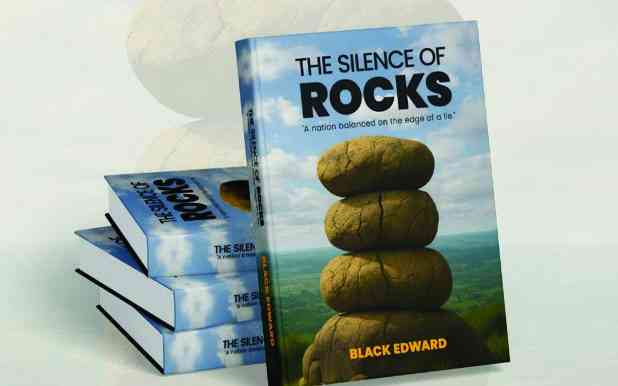
Author: Black Edward
Reviewed by Patience Kutadzaushe
In his high-stakes debut, The Silence of Rocks, veteran media professional Black Edward strips away the polish of diplomacy to reveal a state screaming under the weight of its own shadows.
Set in the fictional nation of Akania — a thinly veiled reflection of contemporary African struggles — the novel follows three university students whose lives intertwine against a backdrop of systematic corruption, political violence, and economic collapse.
Koffi, scarred by childhood trauma; Lerato, grappling with devastating family secrets; and Kudzai, haunted by his brother's suicide and father's brutal beating, form an unlikely alliance that evolves into a full-scale digital revolution.
Edward's genius lies in his pacing. He weaves the intimacy of a forbidden romance into the frantic rhythm of power cuts and street protests.
In Akania, family secrets carry the same explosive force as political exposés.
- Love, lies and a brutal regime
Keep Reading
The flooded streets of Hatulali's business district and the hum of generators serve as potent metaphors for the nation's crumbling infrastructure and decaying political system.
The nation's iconic balancing rocks — ancient, towering, and defying the laws of physics — loom over the narrative like a silent geological warning: how much pressure can a foundation take before it collapses?
The cost of defiance is high. Edward doesn't flinch, documenting mass graves on the city's outskirts and the quiet desperation of a street vendor pushed to the edge.
These aren't just plot points; they are an indictment. Through the lens of a man who has spent over thirty years documenting the truth, Edward shows us that in an authoritarian regime, silence isn't just golden, it's complicity.
The Silence of Rocks is more than a political thriller. It is a chilling, high-stakes autopsy of power, secrets, and the explosive cost of breaking one's silence. It is a story for anyone who has ever wondered how much one person can endure before they decide to shatter that silence.
Edward's voice remains authentic throughout, capturing the rhythms of Akanian speech and the texture of daily life under dictatorship with remarkable precision.
The Silence of Rocks is ultimately a love letter to resistance — messy, costly, but necessary. It reminds us that change demands sacrifice, and that even in the darkest times, ordinary people possess extraordinary courage.
For readers seeking both entertainment and enlightenment, Edward delivers a story as compelling as it is conscience-stirring. This is contemporary African literature at its most urgent and unflinching.
In the end, Edward reminds us that while regimes may bomb the presses and bury the bodies, the rocks remember. And they are finally starting to speak.