Love is the most human of experiences. It is at once simple and profoundly complex, a force that shapes our identities, our relationships, and the course of our lives.
While often spoken of casually as fleeting attraction, familial affection, or romantic desire love, in its truest form, is an art: a deliberate, creative, and transformative practice that demands attention, courage, and imagination.
To understand love as an art is to recognize it as both a mirror of human nature and a catalyst for growth, both personal and collective.
At its core, love is transformative. Every act of care, every moment of empathy, every choice to be present with another person reveals the contours of our own hearts. Love challenges us to confront our fears: the fear of vulnerability, of rejection, or of losing control. It compels reflection, humility, and resilience. In Zimbabwean culture, these lessons are visible in both tradition and contemporary life, where expressions of love are often entwined with community, family, and shared history.
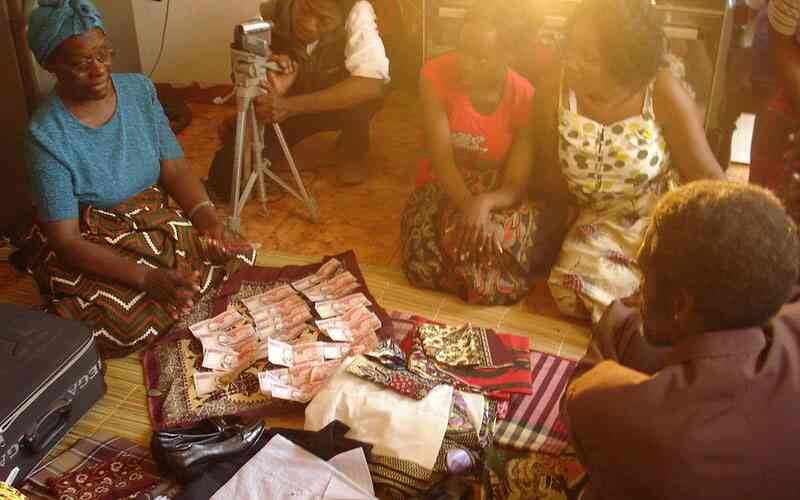
Consider the practice of roora, or lobola. This ceremonial exchange of cattle, money, or gifts is often seen merely as a cultural formality, but in truth, it reflects a deeper philosophy: love as responsibility and commitment. Young couples preparing for marriage learn not only to honour each other, but to navigate negotiation, patience, and respect within and between families. Through this ritual, love becomes a conduit for maturity and social cohesion, a reminder that genuine affection is inseparable from accountability and mutual care.
Love is also expressed in everyday life. In the streets of Harare or Bulawayo, young lovers craft money bouquets dollar bills folded into elaborate floral shapes as tokens of affection, demonstrating creativity and intention even in a cash-strapped economy.
Artisans turn scrap metal into heart-shaped trinkets, transforming discarded material into lasting symbols of care. These inventive acts reflect the resilience of the human spirit and the adaptability of love itself: Even when resources are scarce, the desire to connect and affirm affection remains abundant.
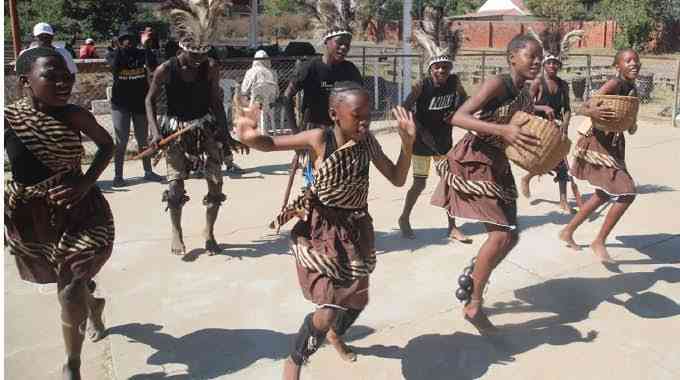
Zimbabwean music and dance provide another vivid lens on love. Traditional dances like Mbende-Jerusarema and Muchongoyo celebrate community and connection, bringing people together in shared rhythm, joy, and storytelling. At weddings and celebrations, the mbira a thumb piano whose music is believed to connect the living with ancestral spirits resonates through the ceremony, echoing themes of continuity, harmony, and enduring affection. In these moments, love is not simply spoken; it is performed, lived, and experienced collectively, entwining personal feeling with cultural expression.
- Mavhunga puts DeMbare into Chibuku quarterfinals
- Bulls to charge into Zimbabwe gold stocks
- Ndiraya concerned as goals dry up
- Letters: How solar power is transforming African farms
Keep Reading
The diversity of love is also apparent in contemporary Zimbabwe. Some young couples blend traditional practices with modern engagements or “white weddings,” honoring heritage while shaping their own path. Others find love through digital spaces, meeting abroad or across cities, only to return home and celebrate that bond within family and community. In all these variations, love becomes a tool for navigating identity, belonging, and the evolving balance between tradition and personal choice.
Yet love is not without its trials. Modern Zimbabwean voices often speak of heartbreak, disappointment, and the courage required to love authentically. One young woman reflected on how repeated disappointments led her to prioritise self-care and community service over romantic pursuit a powerful reminder that love also includes the capacity to nurture oneself, to grow independently, and to redefine connection on one’s own terms.
Love’s artistry extends beyond the personal into the social. In rural areas, spaces once dedicated to teaching young girls marriage preparation are being transformed into centers for empowerment and education. Here, love is protective and liberatory: guiding, mentoring, and fostering self-sufficiency, rather than imposing submission. In these contexts, love nurtures growth and resilience, shaping not just individuals but entire communities.
The art of love, then, is inseparable from development. To love fully is to engage with another’s emotions while refining our own. It requires creativity, empathy, patience, and reflection. It asks us to listen not only to words but to silences, to perceive unspoken needs, and to respond with thoughtfulness. Every act of care, every choice to be present, every effort to understand deepens emotional intelligence and enriches the soul.
Perhaps the most profound lesson love offers is that it is never static. Just as Zimbabwe’s cultural practices evolve blending ancient rhythm with contemporary voices so too does love change with time and circumstance. It is an ongoing dialogue, a lifelong apprenticeship, a practice that asks for courage, creativity, and a willingness to grow through both joy and pain. Love transforms ordinary life into a canvas for meaning, connection, and beauty.
To master the art of love is to embrace imperfection and patience. It is to recognise that growth is gradual, often invisible, and revealed in small, daily gestures: a hand held, a shared laugh, a quiet presence in times of sorrow. Love’s true mastery lies in cultivating understanding, compassion, and courage, in nurturing both oneself and others, and in creating a legacy of connection that outlasts fleeting moments.
In Zimbabwe, as elsewhere, love is lived as much as it is felt. It is the rhythm in song and dance, the care embedded in tradition, the creativity in gestures both grand and small. It is the quiet, enduring force that shapes hearts, minds, and societies, offering lessons in empathy, resilience, and human potential. Love is, ultimately, the highest form of human artistry: a practice that transforms individuals, strengthens communities, and engraves meaning on the soul.
In a world often consumed with material gain and fleeting achievement, love remains the force that endures, connects, and elevates. It is the art we practice daily, shaping who we are, who we become, and how we relate to one another. And in that practice, we discover the profound truth of our humanity: that love, in all its forms, is the medium through which we grow, create, and leave our deepest mark on the world.
*Raymond Millagre Langa is the visionary founder of Indebo Edutainment Trust, a creative platform dedicated to blending education, culture, and artistic expression. He is recognized for his innovative approach to storytelling, cultural advocacy, and nurturing emerging talent across Zimbabwe and beyond.