Zimbabwe is quietly losing an entire generation of young men to mining-related silica dust; a slow and devastating killer that has taken root in the country’s mining communities.
In mining towns such as Kwekwe, Shurugwi and Zvishavane, young, able-bodied men who should be driving the country’s economy are instead counting their breaths.
Once strong and productive, many now sit at home or lie in hospital beds, their lungs scarred beyond repair by silicosis, a preventable disease that has quietly spread through mining communities.
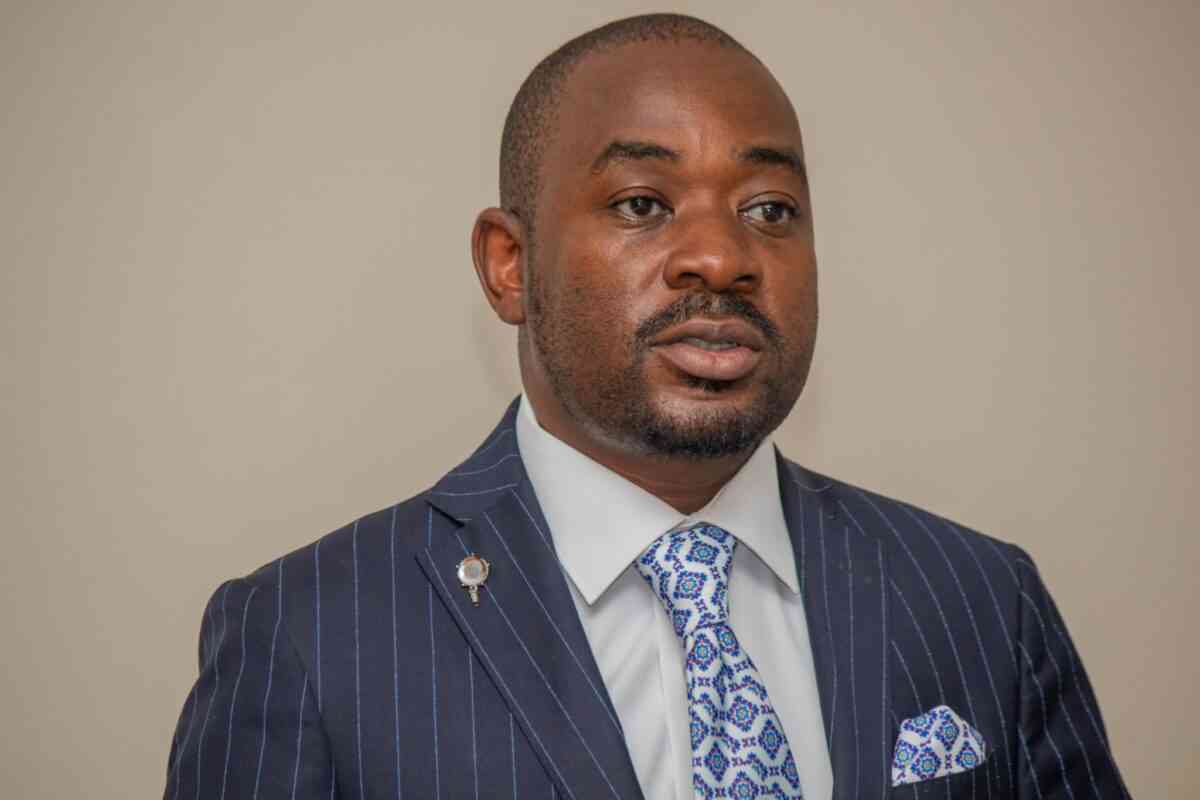
Health deputy minister Sleiman Timios Kwidini has described the silicosis problem as “alarming”.
Health experts also warn that if there is no urgent government intervention, Zimbabwe could soon be forced to set aside an entire hospital dedicated solely to silicosis patients within the next five years.
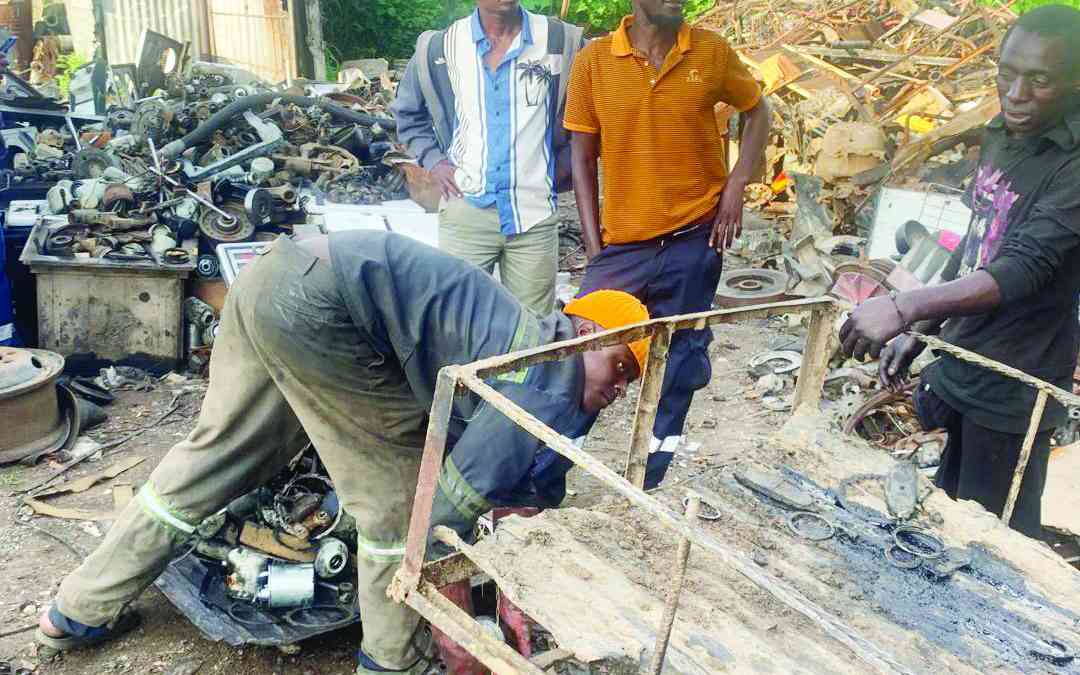
An investigation by Truth Diggers revealed that in Kwekwe, Shurugwi and Zvishavane, silicosis is not a disease of old, retired miners.
It is claiming lives of young people, mostly men between 18 and 40 years, who should be building families, careers, and futures.
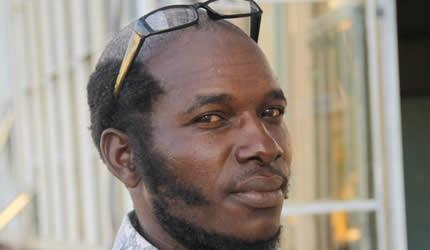
At 45, Japhet Mutasa of Amaveni in Kwekwe should be at the peak of his working life.
- Nedbank boosts Tour de Great Dyke
- FBC embarks on housing schemes
- Chicken Inn keep chasing.
- Interactive feedback: Trip to Zvishavane an eye opener
Keep Reading
Instead, he spends most of his time struggling to breathe.
Diagnosed with silicosis two years ago, Mutasa had spent more than 15 years working in gold mines.
He said he entered shafts without protective gear, often bare-chested or with only a cloth tied around his face.
“They never provided us with personal protective equipment,” he recalled.
“And we never asked. We were not aware of the dangers we were exposed to. Now I can’t work.
“My wife is now the breadwinner. But it’s difficult for her as she needs to take care of me as well."
The gold he helped extract brought him no savings, no security, no compensation, only illness.
Such is the story of several other miners across the Midlands towns.
Despite working for years, sometimes decades, many artisanal miners earn hand-to-mouth wages.
They extract one of the country’s most precious minerals, gold, yet remain trapped in poverty.
Breadwinners die young or become too ill to work, leaving wives to fend for children with no income and no support.
Medical costs rise as household earnings disappear.
Kwekwe-based medical expert Bruce Mhondiwa told Truth Diggers that the growing scale of mining operations without corresponding health safeguards was worsening the silicosis crisis.
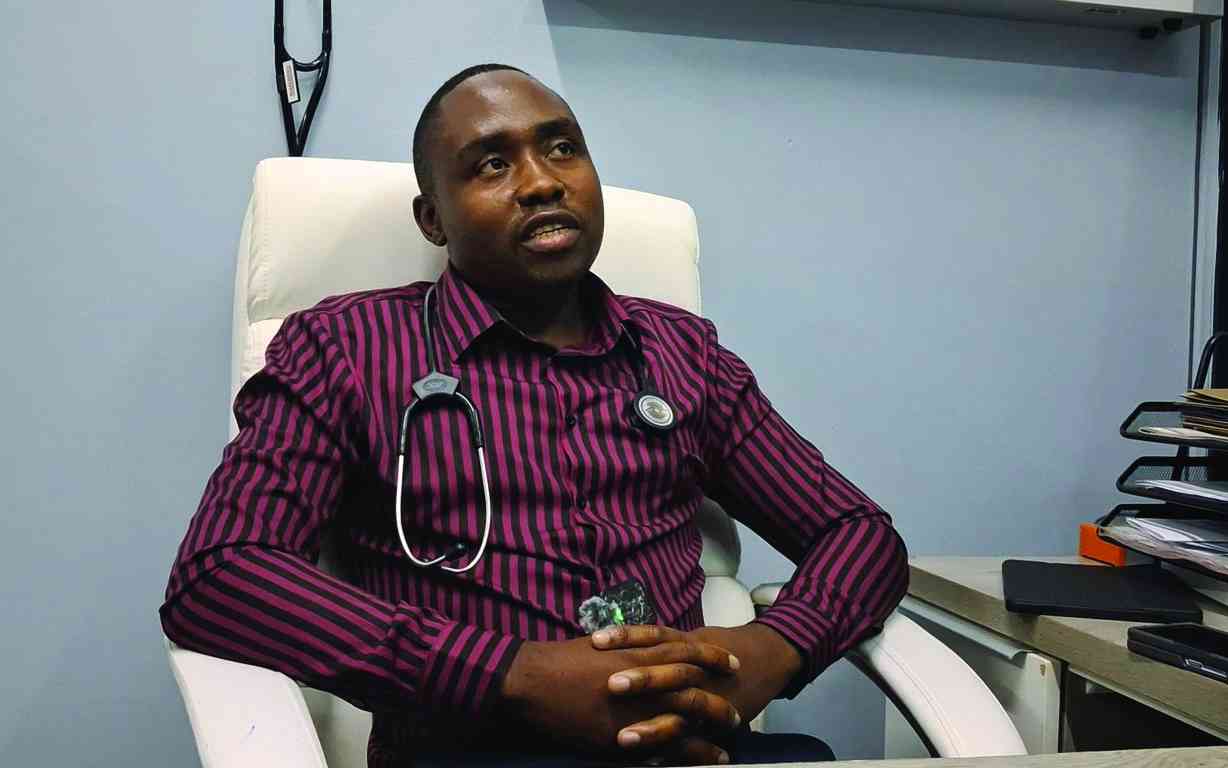
“Mining is increasingly becoming prevalent across the country, yet there are no routine medical examinations by doctors to monitor miners’ health,” Mhondiwa said.
“If problems were detected early, affected miners could be reassigned to roles where they are not exposed to dust.
“Unfortunately, most patients only come to the hospital when they are already seriously ill, and by then, the disease can no longer be cured.”
Mhondiwa warned that weak regulation and non-compliance within the mining sector are setting the country up for a major public health crisis.
“The majority of mines are not registered, and even among those that are registered, many are not complying with laws on safe mining operations,” Mhondiwa said.
“If there is no change in mining practices, in five years’ time, we are going to face a very serious problem. We may be forced to set aside a ward in every hospital, specifically for silicosis patients.
“Mining is happening everywhere, which means the problem is only going to get bigger if nothing changes. Routine medical check-ups are critical. This is a national problem.
“It can take between three and five years for a miner who is practicing poor mining methods to start showing symptoms, hence early detection is crucial."
For Tavaziva Simukai, a former miner of Amaveni suburb in Kwekwe, silicosis is not just a medical diagnosis, but is evidence of how mining standards in Zimbabwe have collapsed over time.
Simukai began working in the mines in the late 1990s, a period he recalled as significantly different from today.
Back then, he said mining practices, particularly in large-scale operations, were far stricter, with worker safety treated as a priority rather than an inconvenience.
“In the 1990s and early 2000s, things were better,” Simukai said.
“Mine owners, most of them foreign and white, were very strict.
“We had regular medical check-ups, working ventilators, and safer practices like wet drilling, which reduced dust underground.”
Wet drilling, a technique that suppresses silica dust by using water, significantly lowers the risk of miners inhaling deadly particles.
Together with ventilation systems and periodic medical examinations, the practice helped minimise lung problems getting fatal undetected.
According to Simukai, those safeguards have largely disappeared.
“Now the current mine owners are only concerned about making quick money,” he said.
“The current miners have closed the ventilators because they fear thieves — the makorokoza,” Simukai said.
“When they close them, it becomes extremely hot in the shaft. There is no breathing air. Even if you want to wear a mask, you can’t, because it makes breathing even more difficult.”
Simukai said miners were also denied access to medical screening, which he described as the most basic form of prevention.
“There are medical check-ups. We just keep working,” he said.
“Yet doctors later told us that if silicosis is detected early, it can be managed better. But we only find out when it’s too late. They want money. Miners' health does not matter to them.
“But I am worried about those who are still working in the mines. They are still practicing the same hazardous methods. I fear for them. If I could, I would warn everyone strongly."
In Kwekwe, miners affected by silicosis find strength in one another.
They have come together to console each other, to visit the sick in hospital, and to offer hope.
They have formed a WhatsApp support group, through which affected members receive updates, share medical information, and remind one another that they are not alone.
The miners have anchored their hope on Kwekwe Central Member of Parliament Judith Tobaiwa, whom they see as their voice in the corridors of power.
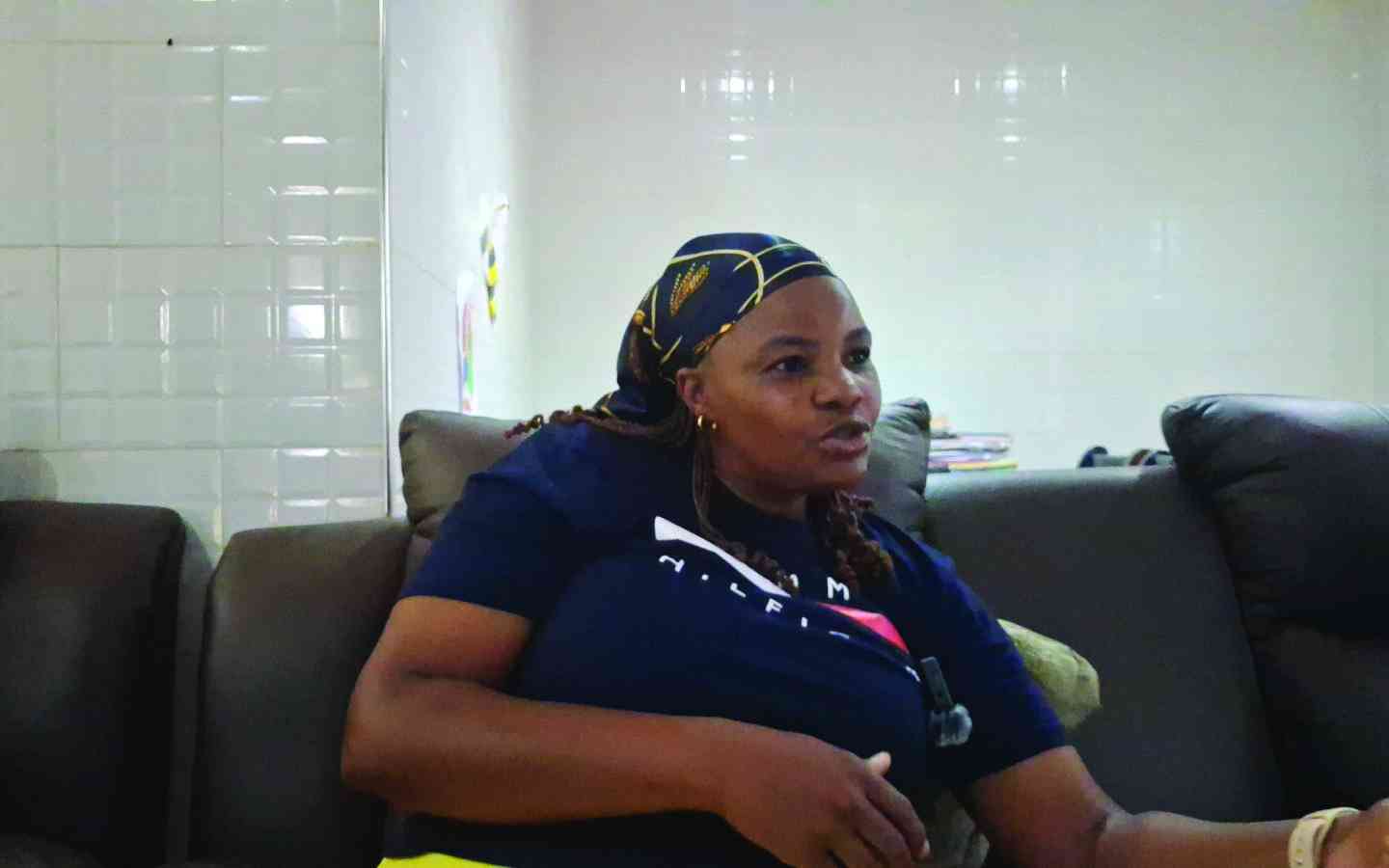
Tobaiwa has taken up their cause in Parliament and is working in collaboration with the Ministry of Health to push for government intervention aimed at ensuring that silicosis victims receive the required medical care and support.
She has moved motions in Parliament and called on government to urgently establish a compensatory fund for silicosis victims, arguing that affected miners deserve recognition and support for their contribution to the national economy.
“Government should provide a compensatory fund for silicosis victims,” Tobaiwa said in an interview with Truth Diggers.
“These are people who contributed to the country’s GDP. They were extracting precious minerals like gold, which is a key earner for our economy.
“Now that they can no longer work, that fund should be used to cover their healthcare needs and to support their families.”
Truth Diggers engaged artisanal miners to establish how informed they were on silicosis.
Findings of the engagement revealed that artisanal miners are working in dangerous conditions without even knowing the risks.
Out of 10 artisanal miners interviewed, nine openly admitted they had little to no knowledge of silicosis.
Many said they were unaware that prolonged exposure to silica dust could permanently damage their lungs or eventually cost them their lives.
They also admitted that they do not use protective gear.
Some said masks were never provided by mine owners, while others said they avoided wearing them altogether because of heat, poor ventilation, and the physical difficulty of breathing underground.
“We just go underground and work,” one miner said. “No one ever explained these diseases to us.”
Kwidini said the government has adopted a holistic, multi-ministerial approach to address safety concerns in the mining sector.
“We have taken a holistic approach involving the ministries of Health, Mines and Mining Development, and Environment to ensure that safety in mines is enforced,” he said.
“There is still a lot of education required on best and safe mining practices, particularly on the use of explosives.
“Mine owners have a responsibility in this regard. We need to work more on preventive measures so that we save lives.
“The situation has been alarming, and discussions are ongoing on how best we can deal with it.”
On the issue of medical examinations, Kwidini acknowledged challenges in compliance and accountability.
“Some people do not value their health, especially when they are seeking employment,” he said.
“There are certain medical conditions that do not carry stigma during employment, yet some individuals still connive with private doctors to obtain fake medical clearance certificates.”
He encouraged miners to undergo proper screening through public health institutions.
“We encourage miners to be screened at public health facilities where proper procedures are followed,” Kwidini said.
*This story was produced by Truth Diggers, an investigative journalism unit under Alpha Media Holdings (AMH), publishers of NewsDay, Zim Independent, The Standard and Southern Eye. AMH also operates an online broadcasting channel HStv.