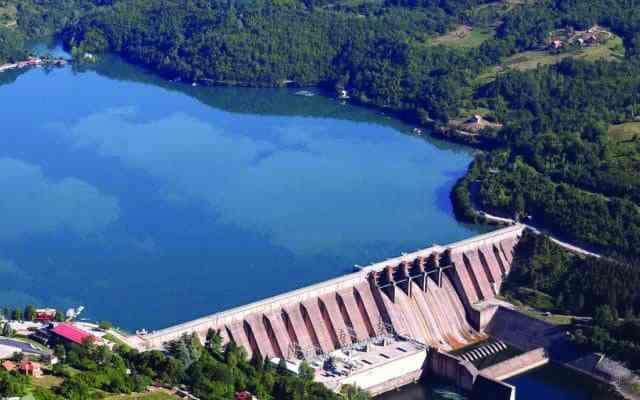
Sustainable development is one of the strongest economic drivers for Africa — and its greatest resource is its youth.
As the continent advances the aspirations of African Union’s Agenda 2063, meaningful youth participation in the energy sector is not optional; it is essential.
Energy poverty remains one of Africa’s biggest obstacles to industrialisation and social progress.
Electricity powers homes, schools, hospitals and industries. Without reliable energy, economic growth stalls.
As the global energy landscape shifts toward cleaner sources such as solar, wind and hydropower, Africa has a unique opportunity to leapfrog into a sustainable future — but only if it empowers its young population to lead the transition.
Understanding sustainable energy
Sustainable energy refers to energy sources that meet present needs without compromising the ability of future generations to meet theirs.
These include solar, wind and hydropower — resources that reduce pollution and combat climate change.
- Another star plots DeMbare exit
- Biti’s applications for referral to Concourt continues
- Biti plays political card in assault case
- Let’s concentrate on what is on the docket: Reza told Biti
Keep Reading
Global institutions such as the International Energy Agency and the International Renewable Energy Agency emphasise that youth involvement is critical to advancing renewable energy adoption worldwide.
Young people are adaptable, technologically savvy and naturally innovative — qualities that are indispensable in driving the clean energy transition.
Why youth participation matters
- Innovation and fresh ideas
Young people bring creativity and bold thinking. Innovation hubs, student competitions and hackathons across the world are already producing renewable energy solutions.
According to the Innovation News Network, youth-led initiatives are accelerating the energy transition by introducing new technologies and efficiency models.
When youth are included in decision-making processes, projects move faster and adopt modern solutions more readily.
- Job creation and economic growth
The renewable energy sector is one of the fastest-growing industries globally. The International Renewable Energy Agency reports that renewable energy employed approximately 13,7 million people worldwide in 2022 — and the number continues to rise.
For Africa, this represents a major opportunity. Green energy development could generate millions of jobs in solar installation, engineering, manufacturing, maintenance and entrepreneurship.
If governments establish youth-targeted capital funds and remove bureaucratic barriers, young entrepreneurs can become key drivers of economic growth.
- Africa’s demographic advantage
Africa is the youngest continent in the world, with the majority of its population under 30. This demographic dividend can become a powerful workforce for expanding electricity access, especially in rural communities.
Ignoring youth in energy planning means neglecting the continent’s most valuable asset.
- Environmental awareness and keadership
Young people are at the forefront of climate action movements. Many youth-led organisations advocate for clean energy and sustainability, reinforcing global efforts supported by institutions such as the United Nations.
Their activism strengthens public awareness and encourages responsible energy consumption at community level.
Challenges limiting youth participation
Despite the potential, several barriers remain:
-Limited training opportunities
Access to renewable energy education and technical training remains inadequate in many countries. Expanding vocational training centres and university programmes is critical. Zimbabwe, for instance, has invested significantly in education and technical training, producing engineers capable of supporting national infrastructure development.
-Funding constraints
Youth-led projects often struggle to secure financing due to lack of collateral or limited exposure to financial systems. Governments and financial institutions must develop youth-friendly financing models, including grants and innovation funds.
-Policy gaps
In some countries, youth voices are excluded from national energy planning. Inclusive governance structures — such as youth advisory boards and internship programmes — are essential.
-Lack of awareness
Many young people are unaware of opportunities within the energy sector. National awareness campaigns, career guidance and community engagement can bridge this gap.
Strategies to promote youth participation
Education and skills development
Renewable energy studies should be integrated into school curricula from early education through tertiary level. Practical training in solar installation, electrical engineering and energy management must be prioritised.
Youth-friendly policies
Governments should institutionalise youth representation in energy policymaking and create structured internship pathways within energy ministries and utilities.
Entrepreneurship support
Supporting youth start-ups in solar energy, clean cooking technologies and energy efficiency services will stimulate innovation and localised solutions.
Community engagement
Youth-led awareness campaigns can promote energy conservation and environmental stewardship at grassroots level.
Long-term impact
Promoting youth participation in sustainable energy development delivers lasting benefits:
-Reduced energy poverty
-Job creation and economic growth
-Technological innovation
-Environmental protection
-Stronger and more resilient communities
Research and policy briefs from organisations such as the Global Forum on Sustainable Energy affirm that youth are emerging as a critical talent pool for achieving universal energy access and climate goals.
Conclusion
Youth participation in the energy sector is not merely desirable — it is indispensable. Young people are not only the leaders of tomorrow; they are today’s innovators, entrepreneurs and change-makers.
If Africa is to achieve sustainable energy development and realise the vision of Agenda 2063, governments, private sector actors and educational institutions must invest deliberately in youth empowerment, skills development and leadership opportunities.
A continent that trains, funds and trusts its youth is a continent prepared to prosper.