Climate resilient agroforestry is expected to reduce the risks of crop failure due to drought and pest infestation, increase crop quantity and quality, diversify goods and commodities, improve the use efficiency.
Generally, the benefits of agroforestry systems are derived from their diverse vegetation, multi-storied above-ground biomass and complex underground arena.
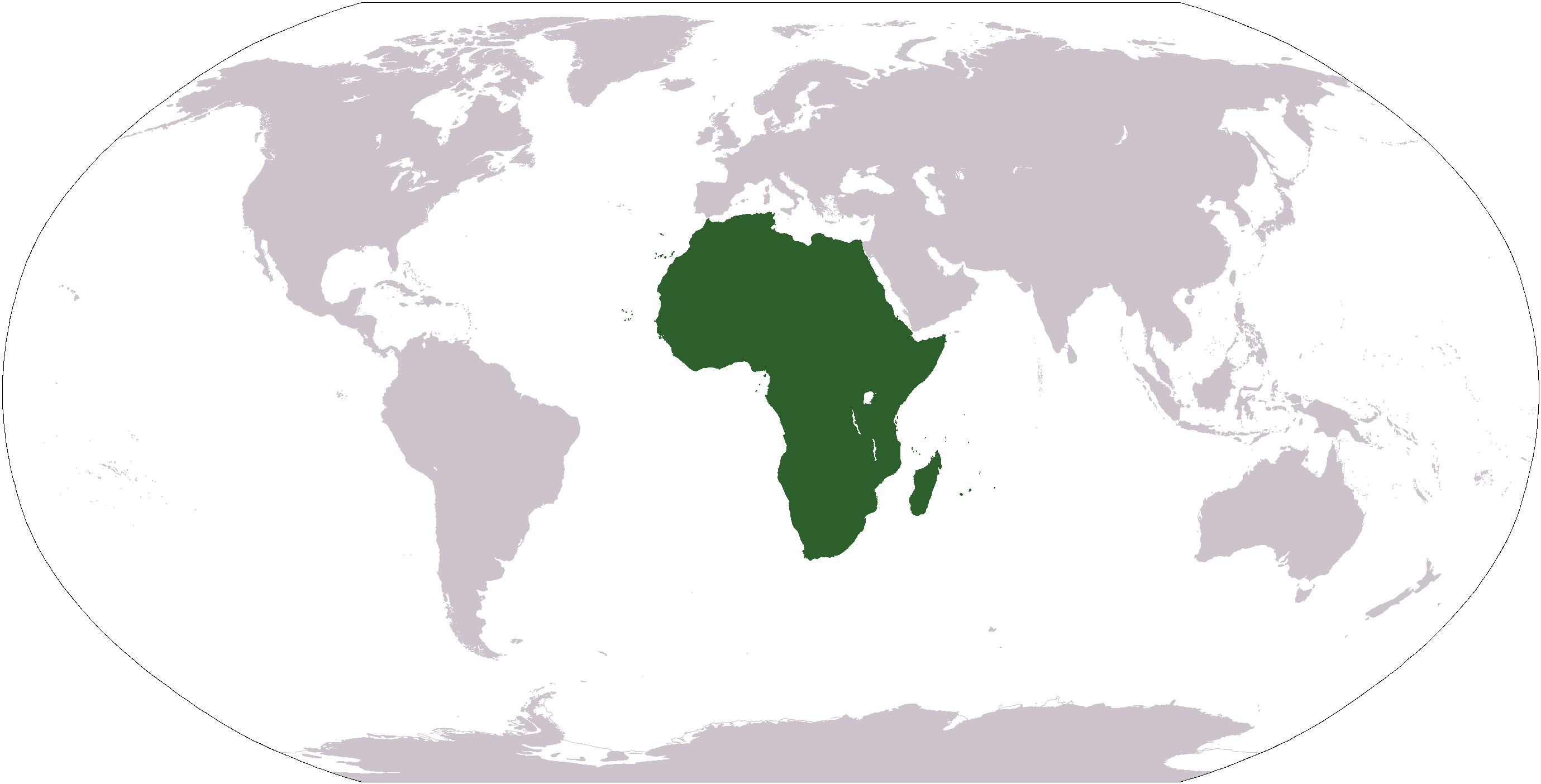
Across Africa, and particularly in countries such as Zimbabwe, farmers are already confronting prolonged droughts, erratic rainfall patterns, rising temperatures and increasing pest outbreaks.
These challenges are threatening food security, rural livelihoods and national economic stability.
In response, advances in sustainable and integrated agricultural systems are increasingly being viewed not merely as environmental interventions, but as essential tools for survival and resilience.
Among the most important of these systems is agroforestry, a practice that integrates trees, crops and livestock within the same agricultural landscape.
Agroforestry has evolved from being regarded as a traditional rural farming approach into one of the world’s most promising climate-smart agricultural solutions.
What needs to be understood is that sustainable agriculture is no longer only about producing food; it is now equally about restoring ecosystems, conserving biodiversity and reducing greenhouse gas emissions while ensuring communities remain economically productive.
- Mavhunga puts DeMbare into Chibuku quarterfinals
- Bulls to charge into Zimbabwe gold stocks
- Ndiraya concerned as goals dry up
- Letters: How solar power is transforming African farms
Keep Reading
One of the greatest strengths of climate-resilient agroforestry lies in its ability to reduce vulnerability to climate shocks.
Conventional monoculture farming systems often expose farmers to severe risks because dependence on a single crop leaves little room for recovery when droughts, floods or pest invasions occur.
Agroforestry systems, by contrast, create diversity both above and below the soil surface.
Trees improve soil structure, regulate temperatures, retain moisture and provide shade, while crops and livestock benefit from improved environmental conditions.
This diversity acts as a natural insurance mechanism. In years when crops perform poorly due to water stress, farmers may still derive income or food from fruit trees, timber, fodder or livestock.
This diversification is particularly important for smallholder farmers who operate under difficult economic conditions and limited access to agricultural financing.
Another critical advancement is the growing recognition of the role agroforestry plays in restoring degraded land.
Decades of unsustainable farming practices, including excessive tillage, deforestation and overgrazing, have depleted soils across many agricultural regions.
The result has been declining fertility, increased soil erosion and reduced productivity. Sustainable integrated systems such as silvopasture and agrosilvipasture are now offering practical pathways toward reversing this damage.
Silvopasture, for example, integrates trees into grazing systems. This approach improves water infiltration and reduces runoff, helping to prevent soil erosion and nutrient loss. The presence of trees also enhances pasture productivity by moderating heat stress and improving soil organic matter. In many dry regions, this can significantly improve livestock survival rates during harsh climatic conditions.
Agrosilvi pasture goes even further by combining trees, crops and livestock on the same land. This integrated approach maximises land productivity while minimising environmental degradation. Instead of viewing farming, forestry and livestock production as separate activities competing for land, integrated systems recognize that these sectors can complement each other in mutually beneficial ways.
What is particularly important about these advancements is that they align environmental sustainability with economic realities.
Climate change mitigation strategies often fail when they are presented solely as conservation obligations without addressing farmers’ immediate economic needs.
Agroforestry succeeds because it can increase profitability while simultaneously protecting ecosystems. Farmers are more likely to adopt sustainable practices when they see direct improvements in yields, household income and food security.
Another key issue that deserves attention is carbon sequestration. Agricultural systems are often discussed as contributors to greenhouse gas emissions, but they can also become powerful carbon sinks.
Agroforestry systems store significant amounts of carbon in vegetation and soils.
Trees capture atmospheric carbon dioxide and store it in biomass, while improved soil health increases underground carbon storage.
This matters because the global fight against climate change requires not only reducing emissions from industries and fossil fuels, but also increasing the planet’s natural ability to absorb carbon.
Agroforestry therefore represents one of the few climate solutions capable of simultaneously delivering environmental, agricultural and social benefits.
The importance of this role has been reinforced by the Intergovernmental Panel on Climate Change, which has consistently identified agroforestry as one of the most effective land-use strategies for climate change mitigation.
According to international assessments, agroforestry systems have the potential to outperform many conventional land uses in terms of long-term carbon storage by 2040. T
This recognition is helping shift global agricultural policy toward climate-smart and regenerative farming systems.
However, despite these advantages, the transition toward sustainable integrated agriculture still faces major barriers. One challenge is limited access to knowledge and extension services.
Many farmers, especially in rural communities, remain unfamiliar with modern agroforestry techniques or lack technical support on how to implement them effectively.
Climate-smart agriculture requires more than simply planting trees; it involves careful planning around species selection, spacing, water management and integration with crops and livestock systems.
Governments, universities and agricultural institutions therefore have an important role to play in strengthening farmer education and research. Agricultural training programmes need to move beyond conventional farming models and prioritize sustainable land management practices.
Farmers must also be supported through access to financing, climate insurance and markets for agroforestry products.
Policy consistency is equally important. Sustainable agricultural systems require long-term investment, yet many farmers operate in uncertain policy environments where land tenure insecurity and inconsistent agricultural support discourage innovation.
Without supportive national policies, even the most promising climate-smart initiatives may struggle to achieve widespread adoption.
Another important aspect that needs to be recognized is the role of indigenous and local knowledge.
Many African communities have historically practiced forms of integrated agriculture that balanced ecological sustainability with food production. Modern climate strategies should not ignore these traditions. Instead, scientific innovation and indigenous knowledge must work together to create locally appropriate solutions.
Advances in sustainable and integrated agricultural systems are not simply technological developments; they represent a broader shift in how humanity relates to land, food production and environmental stewardship.
The future of agriculture cannot rely on extractive systems that exhaust soils, destroy forests and increase vulnerability to climate disasters. The future must instead focus on resilience, regeneration and sustainability.
For countries facing increasing climate uncertainty, agroforestry and other integrated agricultural systems offer hope for building stronger rural economies while protecting the environment.
They demonstrate that climate mitigation and agricultural productivity are not opposing goals, but interconnected priorities that can reinforce one another when approached strategically.