Southern Africa is once again confronting a devastating humanitarian crisis, but this emergency should not be viewed merely as another seasonal drought or temporary food shortage.
The latest figures showing that more than 24 million people across the region are experiencing crisis levels of food insecurity reveal something much deeper: the growing collapse of climate resilience, agricultural preparedness, and regional economic protection systems.
From Zimbabwe and Zambia to Madagascar and Malawi, the warning signs are no longer isolated events.
They are evidence of a structural crisis that governments and international institutions have repeatedly failed to confront with the urgency it deserves.
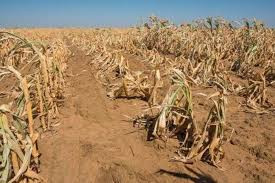
The immediate cause of the catastrophe is clear. The 2023–2024 El Niño weather phenomenon triggered one of the worst dry spells Southern Africa has seen in over a century.
Rainfall patterns collapsed, crops failed, livestock perished, and staple food prices surged beyond the reach of millions of households.
Countries that depend heavily on rain-fed agriculture were especially vulnerable because most rural communities lack irrigation systems, crop insurance, or climate-adaptive farming technologies.
In practical terms, one failed rainy season translated directly into hunger.
- Zim has gone full circle
- Nkayi children face bleak future as aid and water dry up
- Southern Africa’s hunger emergency demands more than humanitarian sympathy
Keep Reading
Yet climate alone cannot fully explain why the region remains trapped in recurring cycles of disaster.
Droughts have always existed in southern Africa. What has changed is the scale of vulnerability. Decades of underinvestment in agriculture, poor rural infrastructure, weak disaster preparedness, and chronic poverty have left millions exposed to every climate shock.
When rainfall disappears for one season, entire national food systems begin to crumble. That is not only a weather problem; it is a governance problem.
Zimbabwe offers a stark example. Rising child wasting rates in rural areas demonstrate how quickly food insecurity transforms into a public health emergency.
Malnutrition among children is not simply about hunger today; it carries lifelong consequences.
Children suffering from severe acute malnutrition face impaired cognitive development, weakened immune systems, and reduced educational performance.
A generation weakened by hunger today becomes a generation economically disadvantaged tomorrow. Malawi’s rising admissions for severe acute malnutrition among children under five point to the same dangerous trajectory.
The humanitarian implications are enormous. Nearly 25 million people now require humanitarian assistance in just five countries: Madagascar, Mozambique, Malawi, Zambia, and Zimbabwe.
These numbers are staggering because they reveal how fragile everyday survival has become for ordinary citizens.
Families are skipping meals, selling livestock, pulling children out of school, and migrating in search of work or food. In many rural communities, survival strategies are becoming increasingly desperate.
Compounding the crisis is the dangerous intersection between hunger and disease outbreaks.
Cholera, measles, and mpox are spreading across parts of the region, particularly where weakened healthcare systems are already struggling to cope.
Hunger weakens immune systems, poor sanitation accelerates disease transmission, and overcrowded humanitarian conditions create fertile ground for outbreaks.
This means the region is not facing separate crises, but a convergence of climate disaster, food insecurity, public health emergencies, and economic instability.
What makes the situation even more alarming is the possibility of La Niña conditions emerging between late 2024 and early 2025.
While La Niña is associated with increased rainfall in many parts of southern Africa, this does not automatically signal relief.
Excessive rainfall after prolonged drought can trigger flooding, destroy weakened infrastructure, spread waterborne diseases, and disrupt any fragile agricultural recovery.
Communities already battered by drought often lack the resilience to withstand sudden floods. In effect, southern Africa risks moving from one climate disaster directly into another.
There is also an uncomfortable truth that deserves greater attention: global climate injustice is playing out in real time across southern Africa.
The countries suffering the harshest consequences of climate change are among the world’s lowest contributors to greenhouse gas emissions.
African nations have historically contributed very little to global warming, yet they are paying one of the highest prices through droughts, floods, crop failures, and displacement.
Wealthier industrialised nations that benefited from centuries of carbon-intensive development continue to fall short on climate financing commitments that could help vulnerable countries adapt.
The funding gap for humanitarian assistance reflects this broader international failure.
Only 30% of the required US$1.4 billion humanitarian appeal has been funded, despite the severity of the crisis.
This chronic underfunding exposes a troubling pattern in global humanitarian politics: African emergencies often receive attention only when they reach catastrophic levels.
Humanitarian agencies are repeatedly expected to respond to massive crises with inadequate resources, while donor fatigue and geopolitical distractions limit international engagement.
However, humanitarian aid alone cannot solve this crisis. Emergency food distributions may save lives in the short term, but they do not address the structural weaknesses driving repeated food insecurity.
Southern African governments must rethink agricultural policy with climate adaptation at the centre.
Investments in irrigation infrastructure, drought-resistant seed varieties, water harvesting systems, rural storage facilities, and climate-smart agriculture are no longer optional. They are essential for survival in an era of increasingly volatile weather patterns.
Regional cooperation is equally critical. Food insecurity does not respect national borders.
Southern African countries need stronger coordination on food reserves, early warning systems, climate monitoring, and cross-border trade policies.
The Southern African Development Community (Sadc) must move beyond declarations of concern and establish more effective mechanisms for collective climate resilience and emergency response.
At the same time, economic reform matters. High food prices are worsening suffering because millions of people simply cannot afford basic staples even when food exists in markets.
Inflation, currency instability, unemployment, and debt burdens have eroded purchasing power across the region.
Governments that focus exclusively on food production while ignoring broader economic vulnerabilities risk missing the larger picture.
Ultimately, the southern African hunger crisis should be understood as a warning about the future of climate vulnerability across the developing world.
What is happening today in Zimbabwe, Zambia, Malawi, and Mozambique may become increasingly common elsewhere if climate adaptation continues to lag behind environmental reality.
The tragedy is not that drought occurred. The tragedy is that millions of people remain so exposed to predictable climate shocks despite years of warnings from scientists, humanitarian agencies, and local communities themselves.
The region does not lack resilience, capable farmers, or human potential. What it lacks is sufficient political urgency, sustainable investment, and meaningful global solidarity.
Unless those gaps are addressed, southern Africa may continue cycling from one humanitarian emergency to another, with each disaster becoming more severe than the last.