The Panyatsime Heritage and Culture Centre in Chitungwiza’s Rockview suburb is playing a pivotal role in equipping learners with traditional musical and performance skills that align with Zimbabwe’s new curriculum, which emphasises heritage-based education and practical competencies.
Through hands-on training in traditional music, dance and visual performance arts, the centre is nurturing young talent while preserving indigenous knowledge systems that have long defined Zimbabwean identity.
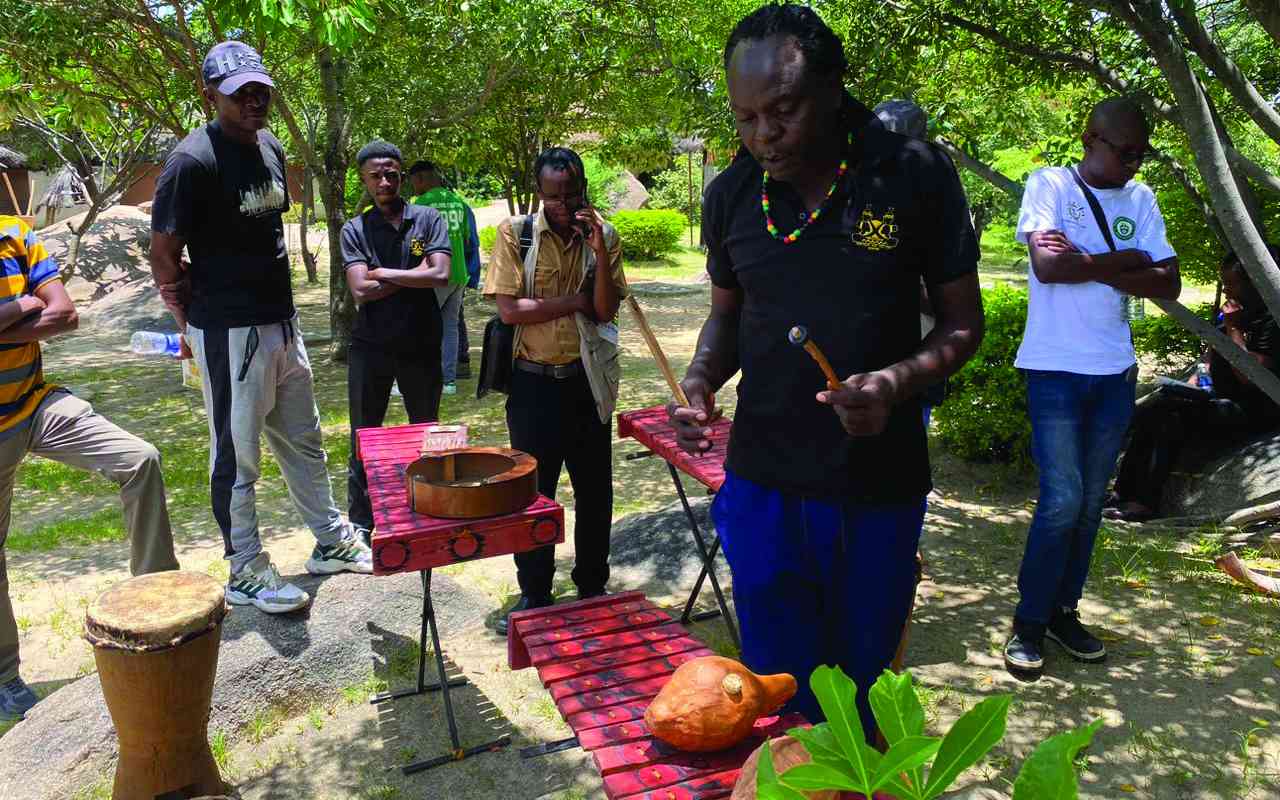
Learners are exposed to instruments such as mbira, marimba, hosho and traditional drums, alongside storytelling and indigenous dance forms that are now formally recognised within the updated curriculum framework.
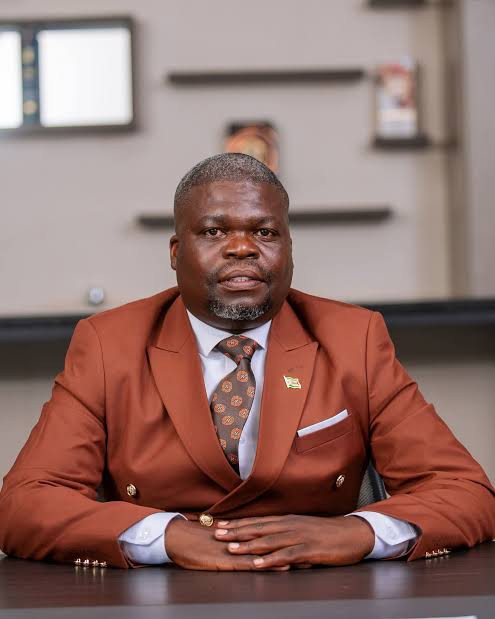
The centre's visual performing arts coordinator Masimba Matyatya said the programme was designed to bridge the gap between cultural preservation and modern education demands.
“The new curriculum calls for learners to be grounded in their heritage while acquiring practical skills,” Matyatya said.
“At Panyatsime, we are ensuring that children do not just learn theory, but actually perform, create and understand the cultural meaning behind the arts.”
A popular marimba virtuoso, Matyatya believes the initiative has improved learners’ confidence, creativity and appreciation of Zimbabwean culture, while also offering pathways for talent development beyond the classroom.
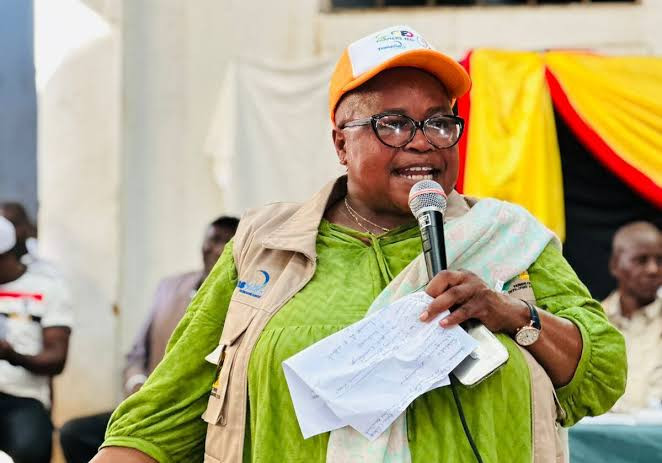
Panyatsime Heritage and Culture Centre founder and chief executive officer Rumbidzai Dihwa said the visual and performing arts programme helps learners better understand traditional music while discovering new career possibilities.
- Over 115 to exhibit at Mine Entra
- Young entrepreneur dreams big
- Econet bemoans power outages
- Govt opens ChiTown e-passport centre
Keep Reading
“We are teaching our children instruments that our grandparents played, but in a way that fits with what they are taught at school,” she said.
Dihwa said the approach also makes learning enjoyable and meaningful.
The Ministry of Primary and Secondary Education’s new curriculum places strong emphasis on visual and performing arts as examinable and practical subjects, encouraging schools to partner with cultural institutions such as Panyatsime to enhance delivery.
Panyatsime Heritage and Culture Centre said it plans to expand its outreach programmes to more schools in the country, ensuring that heritage education remains a living, evolving practice rather than a classroom abstraction.
The centre's heritage officer Ashley Lilyosa Maganzo said more than 90 learning institutions from across the country visited Panyatsime Heritage and Culture Centre last year as part of their educational tours.
Zimbabwe has adopted heritage education, a deliberate teaching and learning of the country’s history, culture, values, languages and indigenous knowledge systems to shape identity, citizenship and practical skills — especially among young people.