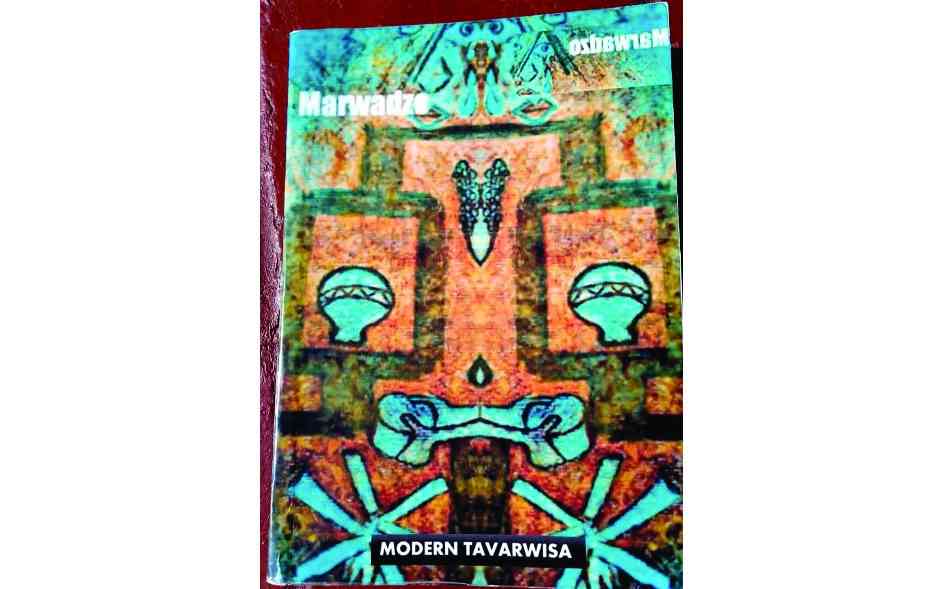
Marwadzo, a Karanga novel which is 240 pages long is a gripping but sometimes humorous work of art penned by Modern Tavarwisa.
The text was first published in 2022 and republished in 2025 by Media Essentials. The novel is largely based on the peak of the economic crisis in Zimbabwe in 2008.
This was the tail end of the 'decade of crisis' in Zimbabwe which began in earnest in 2000 soon after the historic land reform and stretched to 2010.
However, the Zimbabwean economy started to show signs of strain in the late 1990s. Marwadzo catalogues the pain that afflicted the individual and the collective in 2008 in Zimbabwe as a result of the economic meltdown.
From time to time the writer reminds the reader about the year 2008, to drive home the point that it was the worst year of the post-2000 lean years.
Raftopoulos and Mlambo (2009) argue that in Zimbabwe 2008 was characterised by unprecedented hyper-inflation, poor agricultural production, collapse of industrial production, retrenchment of workers, high unemployment rate, rampant corruption, serious food shortages in shops, lack of medicines in hospitals, shortage of fuel and other basic commodities. All this made life unbearable for the majority of Zimbabweans.
Zimbabweans who experienced these difficulties still talk about 2008 up until this day.
However, anti-imperialist scholars argue that the economic crisis was caused by sanctions on Zimbabwe by the West and the United States of America to punish Zimbabwe for taking back its land from whites. As we shall see, Tavarwisa makes an unflinching gaze at the crisis and vividly fictionalises the period in great detail.
- Mavhunga puts DeMbare into Chibuku quarterfinals
- Bulls to charge into Zimbabwe gold stocks
- Ndiraya concerned as goals dry up
- Letters: How solar power is transforming African farms
Keep Reading
The pain at individual and collective levels
Marwadzo starts in medias res with the murder of Simba, a storekeeper in Mabhunu's store in the area of Jokwe (Gokwe).
The novel is set in rural Jokwe and views reality from the point of view of peasants. Throughout the book, the writer sympathises with these rural folks as they struggle to survive during the times of suffering.
Jokwe the name of their area is an apt name that in one word captures their suffering as it refers to a yoke.
Mabhunu says" Iyivo zhara yegore rino hameno kuti ichatisiya tiri vapenyu here? Kuzondobata Dhisemba tinonge tokame mbwa. Zvabva zvasonganavo nokusunga kwezvinhu. Nhaka tichadzokera kuchinyakare chokuzora mhokotogwa"(p.33). ("Will this year's hunger leave us alive? By December we will be really desperate. Also, things are tight. This year we will go back to the old days when people used to apply groundnut oil to their bodies").
Some families sometimes resort to drinking 'mudyandakawarira' to cheat hunger. Mudyandakawarira is soup from the bark of a tree that makes one drunk and sleep afterwards.
As one is asleep, he or she forgets about hunger. Really these were desperate times calling for desperate solutions.
This dire situation is worsened by drought. Wells dried up and cattle in Nyagumu (Gumunyu) were dying due to lack of water to drink and grass to eat. Drought and hunger that afflicted Zimbabwe in the pre-independence era captured in Mungoshi's Waiting for the Rain and Marechera's The House of Hunger came back to haunt Zimbabwe in 2008.
However, Marwadzo shows that the hunger and famine at the turn of the new millennium was largely a result of challenges in governance.
Survival strategies
Under the dire situation, people came up with survival strategies both honest and immoral. Some like Mabhunu and Bwegadzi's families, did piece jobs at Mupositora and Mudavanhu's fields and given maize to survive.
Mupositora is a cruel opportunist as he takes advantage of the situation to overwork the villagers and giving them so little maize in return. He even gives them pest-infested maize.
Mudavanhu as opposed to Mupositora, is generous and loves people as his name denotes. He is a symbol of generosity. Tavarwisa values honest hard work and responsibility.
He insists that parents should work hard for their families in good and bad times. Fathers should play their roles diligently. He derides irresponsible and lazy fathers such as Ngwarai who is pre-occupied with beer-drinking sprees at the expense of looking after his family.
On the other hand, other people use corrupt means to survive and others grow rich during the year of famine. We are told that Dhivha sold marijuana and used the money to build a good homestead. Some unscrupulous people fleeced villagers of their cattle by exchanging three buckets of maize for one beast.
Mugodhoyi conned villagers of their cattle as he disappeared with their cattle after only paying half the price for each beast. At the end of the novel, it turns out that Mugodhoyi and Mupositora are responsible for the murder of Simba. They killed Simba in the process of robbing the store in which he worked to get bags of maize and other goods to sell and make money. Nyemudzai tries the easy way out as she leaves her husband and ventures into the risky business of prostitution. Villagers also fall prey to cotton companies that loan them maize and get expropriate bales of cotton from the villagers in return at harvest time.
The time of crisis brought out the worst out of human beings such as Mupositora and Mugodhoyi. Tavarwisa mocks Mugodhoyi through the name he gives him.
Mugodhoyi is a name given to a thin dog that roams around doing all sorts of nasty things. But the times also highlighted the compassion of characters like Mudavanhu.
The writer persuades the reader that he or she should always strive to do good things like Mudavanhu for the benefit of the society. Leaders can also draw lessons from the humble character of Mudavanhu.
Mudavanhu is generous, calm, down-to- earth and patient. He is not a mercenary. He is not selfish as well. He comes through as a Jesus-like figure.
He also symbolises socialism long since abandoned for the cut-throat system of capitalism which many follow. The author seems to suggest that if Zimbabwe follows a system inspired by humanitarianism embodied by Mudavanhu, life will be more livable for the majority.
Non-governmental organisations such as the Salvation Army church also gives maize and other food-stuffs to people for free in these trying moments.
Tavarwisa is on the side of workers and peasants. He takes a Marxist stance.
He derides the company which dismisses Mabhunu without compensation and terminal benefits. He celebrates when, at the end of the novel, Mabhunu finally gets his dues from the company.
The writer is against exploitation of the poor by the rich. The preacher at Simba's funeral says, "Pazuva ranhasi ndinoda kuti munhu wose uri ipapo uzvibvunze kuti zvose zvaunazvo hauna kuzviwana kuburikidza nekugwadzisa vamwe here? Ungave une dumbu guru rinoita serichanzvenzvera pasi kana matama aunawo anoita seachadonha pasi, zvakauya sei"(p.14) (“Today, I want everyone here to ask yourself if all you have was not acquired through hurting other people? You may have a big stomach that appears to drag along the ground or cheeks that appear to fall down, how did you come by your wealth?").
Tavarwisa also calls for the respect of women by their husbands and men in general.
Notable stylistic features of the book
Tavarwisa uses several writing styles to covey his messages. He uses idioms, similes, proverbs and detailed descriptions to create visual images of characters and places leaving lasting impressions in the reader's mind. The writer also uses humour to provide comic relief to death and the tension and sadness caused by hunger. The preacher makes the reader laugh from time to time he urges the reader of the bible to read on using words and phrases such as "Zvikahi kudini? Hon'ozve! Hino inhema! ...Kungurusa!" (p.12). The gravediggers also make people at the funeral laugh due to the jokes that they crack.
In the novel we have code switching from Karanga to English. This is done by both old and young people. However, in a rural set up this is more common among young people and rarely among old people. The novel has difficult Karanga words such as "manyangiragora, mudyandakawarira, hwereshenga, mhokotogwa" to express certain concepts. We also find words that were prevalent in the period of the crisis such as "madhiri, mabheyara and kujingirisa". All this makes the novel realistic.
At the centre of the plot is suspense that keeps the reader hooked to the story hoping to find out who killed Simba at the beginning of the book until the end when the culprits are revealed. The suspense helps to sustain the reader's interest in this book which is not easy to read because of the density of sadness in it due to themes such as death, hunger, suffering and relentless tension and conflict. The writer also uses names of characters such as Mupositora, Nyemudzai, Ngwarai, Mudavanhu, Mugodhoyi and Boshwe to reveal the behavioral traits of the characters.
The writer also uses "chibende" secret codes to hide names of places. For example Gokwe is presented in the novel as Jokwe, Gumunyu, Nyugumu, Kwekwe, Kwete, Harare, Reraha, Kadoma, Madoka, Gandavaroyi, Gandavarozvi, Zimbabwe, Bwembazi and so on.
I had to ask the writer about the names of places in the book and he explained the puzzle above. While the writer may have found it interesting to hide the names of places, the reader may be at a loss in terms of figuring out the names of these places. Knowledge of names of places can foster more understanding of a novel and enhances themes in it. The reader can identify more with a book talking about his or her village, town or country. Nonetheless, Marwadzo's use of Karanga and the dominant theme of the memorable hunger of 2008 situates it squarely in Zimbabwe. The book also provides cardinal lessons to future governments of the country about the dangers of mismanagement.
About reviewer
Aaron Mupondi is a lecturer in the Department of Languages Literature and Culture at the University of Zimbabwe.
Are you a reviewer? [email protected] - 0715450146