Real progress is measured by how many people we bring along.
Recent engagement with members of the disabled community in a local district revealed not only the daily challenges they face, but also their strong desire to learn, grow, and actively participate in society.
The issue is not willingness—it is access, exposure, and the right kind of support.
A changing world, new opportunities
Technology is now central to everyday life. Mobile phones, computers, and digital platforms shape how we communicate, learn, and access services. For people with disabilities, these tools can reduce long-standing barriers and open pathways to inclusion.
However, access alone is not enough. There must be deliberate efforts to build digital skills, provide guidance, and ensure tools are usable and relevant to diverse needs.
The Value of Practical Training
Engagement with the community highlighted the importance of structured, hands-on training. This includes:
- Why we fall for disinformation
- Masunda lands global sugar industry position
- In Conversation with Trevor: Chisamba: Let’s be proud of ourselves
- Econet says it experienced ‘rush hour data outage’
Keep Reading
-Basic digital literacy using smartphones and computers
-Communication tools for everyday interaction
-Safe and effective use of social media
-Content creation (text, images, short videos)
-Introduction to emerging technologies such as artificial intelligence
These are more than technical skills—they are tools for communication, self-expression, and economic participation. When delivered inclusively and patiently, such training builds confidence and independence.
Supporting the deaf community
Special attention must be given to the deaf community, where communication remains a major barrier. Practical solutions include:
-Sign language interpreters in public and service spaces
-Captioning for videos and announcements
-Visual communication tools such as infographics
-Text-based platforms like messaging apps and email
-Sign language training for service providers
-Accessible digital content with subtitles and clear instructions
These are simple but powerful adjustments that significantly improve access and participation.
Technology in everyday life
Technology is most effective when it integrates seamlessly into daily routines. Tools such as messaging apps, voice-to-text, and text-to-speech applications can transform communication. Social media platforms also offer spaces for connection, awareness, and storytelling.
With proper guidance, individuals can adopt tools that suit their needs and use them consistently.
The role of communication and media
Inclusion depends on how information is communicated. As communication professionals, we must ensure that content is:
-Clear and easy to understand
-Available in accessible formats
-Inclusive in its messaging
-Widely distributed to reach all audiences
Media also plays a crucial role in representation. When people with disabilities see themselves reflected in content, it fosters belonging and possibility.
Digital marketing and economic inclusion
Digital platforms are creating new economic opportunities. With the right skills, people with disabilities can engage in:
-Social media marketing
-Content creation and storytelling
-Online branding and business promotion
-Freelance digital services
These opportunities remove traditional barriers and allow direct access to markets and audiences.
Youth and the future
Young people with disabilities must not be left behind in the digital transition. With training and mentorship, they can participate in:
-Digital communication
-Online work and remote services
-Content creation
-Advocacy and awareness campaigns
These pathways are flexible and sustainable, offering long-term growth opportunities.
Awareness and advocacy
Inclusion is not just about tools—it is about changing attitudes. Communication and media must:
-Challenge stereotypes
-Promote positive narratives
-Highlight lived experiences
-Encourage inclusive practices
-Well-designed awareness campaigns can reshape how society understands and supports disability.
The power of collaboration
Sustainable inclusion requires collaboration among:
-Community structures
-Training institutions
-Development organisations
-Media professionals
-The private sector
Partnerships grounded in shared understanding are more likely to produce lasting impact.
A professional reflection
This experience reinforced a simple truth: development requires both technical knowledge and human understanding. Listening is essential. It allows us to identify real needs and design meaningful solutions.
At the same time, effective communication ensures that these solutions reach the people they are meant to serve.
Looking ahead
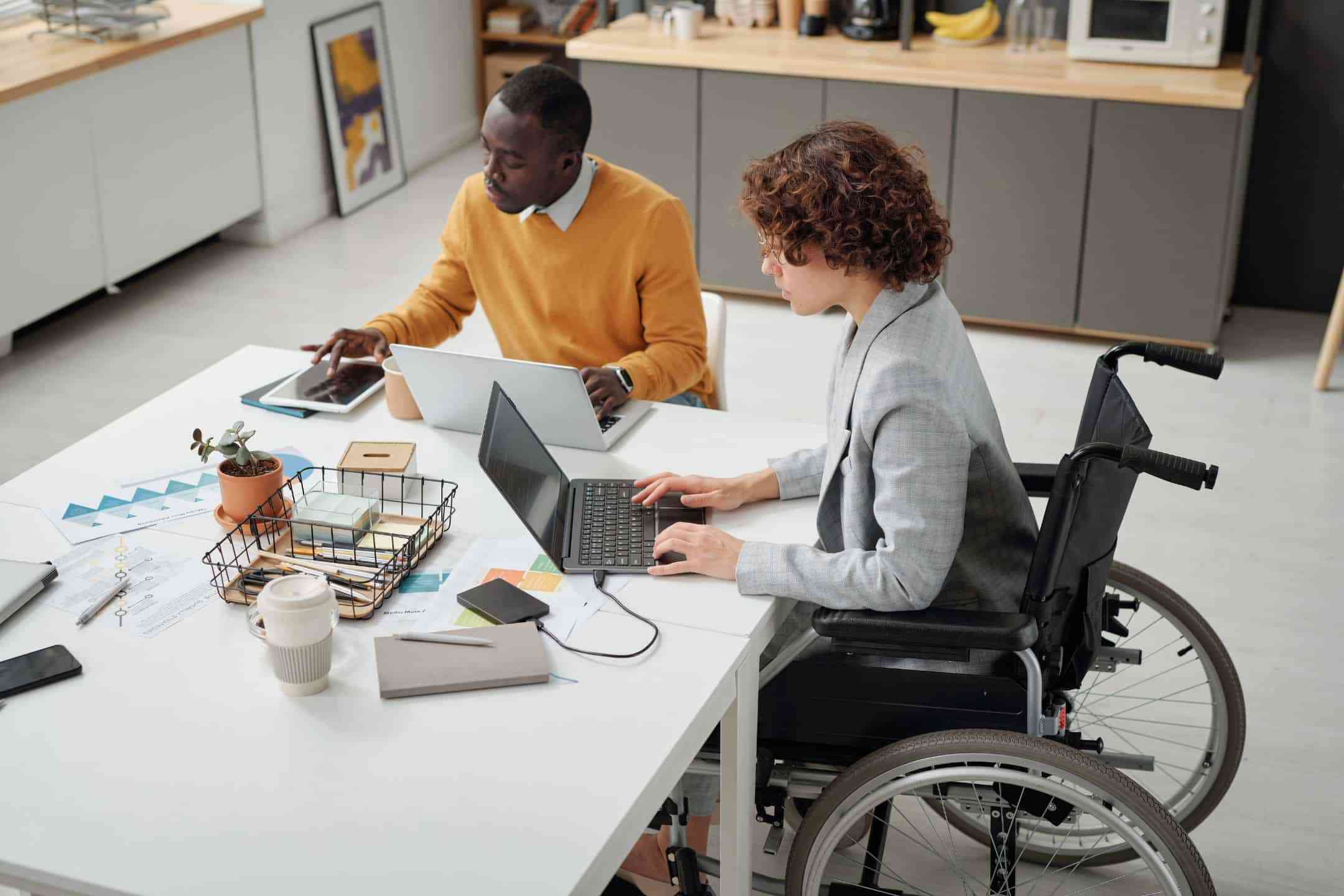
There is a clear opportunity to strengthen inclusion through technology, communication, and training. By investing in digital skills, improving access to information, and promoting inclusive communication methods such as sign language and captioning, we can expand participation for people with disabilities.
Inclusion must be intentional. When technology and communication are used thoughtfully, they become powerful tools for learning, expression, and economic empowerment.
A truly inclusive society is one where everyone has the opportunity to contribute and thrive.