In the modern age of motoring, where vehicles are often viewed as disposable commodities to be replaced every few years, a vital philosophy of ownership is quietly resurfacing among the most disciplined drivers.
This philosophy, frequently described as car love, is not rooted in vanity or obsession, but rather in a deep-seated respect for engineering and a practical understanding of long-term investment.
At its core, the concept suggests that the lifespan and reliability of a vehicle are not merely determined by the manufacturer’s build quality, but are actively shaped by the daily habits and attitudes of the person behind the wheel.
To practice this level of care is to engage in a continuous dialogue with a machine, ensuring that every component, from the smallest bolt to the most complex electronic sensor, is treated with the dignity that precision machinery deserves.
The first and perhaps most visible manifestation of this care begins on the driveway.
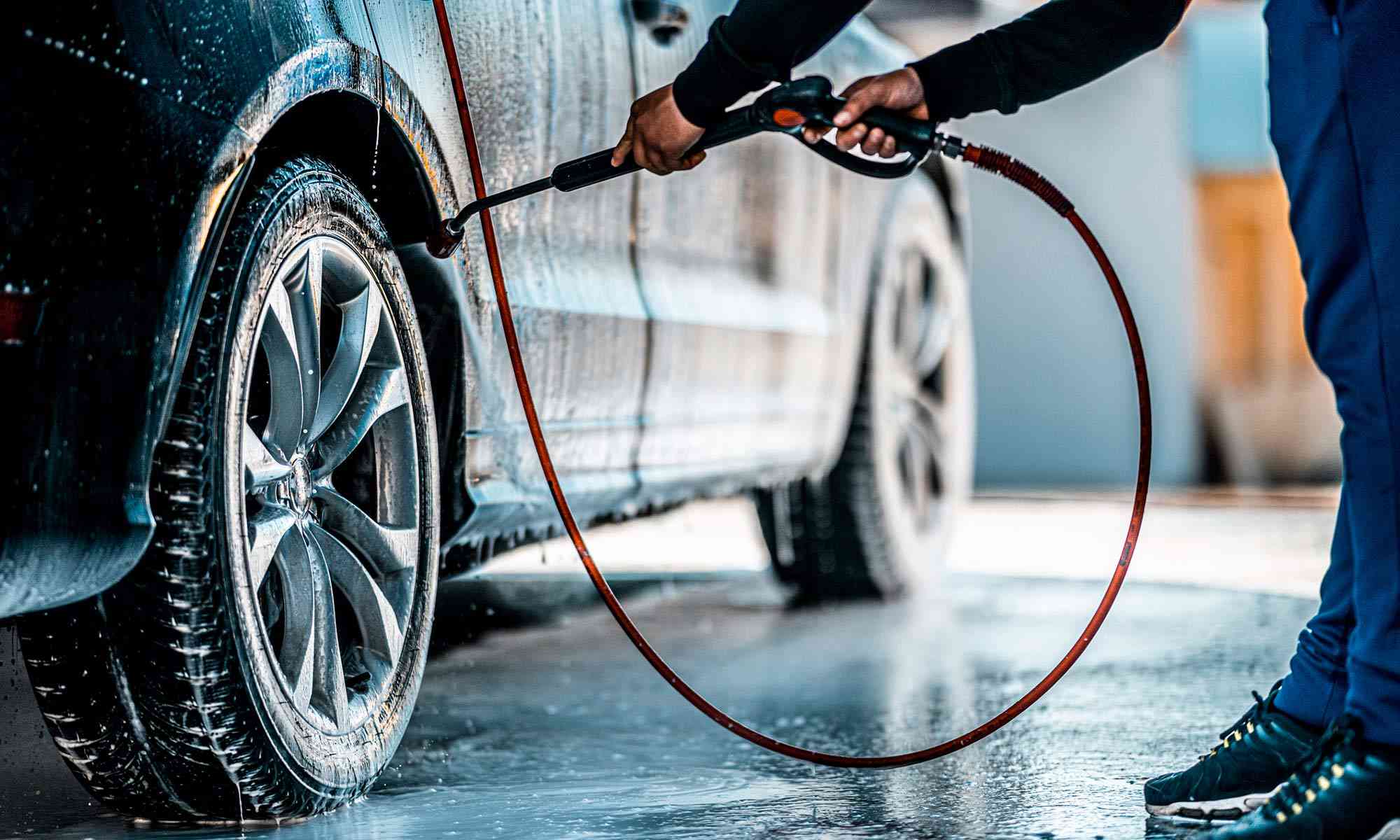
While many see washing a car as a chore to be avoided or outsourced to a high-pressure automated system, the dedicated owner views the cleaning process as a vital inspection.
When a car is washed by hand, the owner is forced into close physical proximity with every panel and seal.
This process allows for the early detection of minor issues that could otherwise spiral into costly repairs.
- Little Mr & Miss Zimbabwe crowned
- Mnangagwa regime on UN radar over abuses
- Kadoma talent show to fundraise for the deprived
- Drive safely this Easter: TSCZ
Keep Reading
A small stone chip in the paint, if left unattended, can become a gateway for moisture and salt, eventually leading to structural rust.
By identifying and touching up these chips early, the owner preserves the integrity of the bodywork.
Similarly, cleaning the wheels provides an opportunity to inspect the condition of the tire sidewalls for cracks or bulges and to check the brake discs for unusual wear patterns.
In this context, cleanliness is the first line of defense in a comprehensive maintenance strategy, serving as a frequent health check that keeps the driver informed about the true state of their vehicle.
Moving beyond the exterior, the interior of the vehicle serves as the driver’s primary environment, and its condition has a profound impact on both safety and the driving experience.
A cluttered cabin is more than just an eyesore, it can be a genuine safety hazard.
Loose items on the floor can slide under the pedals during sudden braking, and dusty dashboards can reflect sunlight in ways that obscure visibility.
Maintaining a pristine interior involves more than just vacuuming, it requires the preservation of materials.
UV rays from the sun are the primary enemy of a car’s cabin, capable of cracking leather and fading plastics over time.
The dedicated owner uses specialised protectants to shield these surfaces, ensuring the cabin remains a sanctuary of comfort.
This level of attention ensures that the vehicle does not just age, but matures gracefully, maintaining a tactile quality that makes every journey more pleasant.
There is a psychological component to this as well, a driver who sits in a clean, well-organized space is often calmer and more focused, leading to better decision-making on the road.
The true essence of car love, however, is found in the concept of mechanical sympathy.
This is the understanding of how a vehicle’s internal components interact and the conscious effort to minimise the stress placed upon them.
It begins the moment the engine is started. Instead of immediately shifting into gear and accelerating into traffic, a mindful driver allows the engine a short period of time to circulate oil.
This is especially critical in colder climates, where oil can thicken and take longer to reach the upper reaches of the engine block.
By giving the machine thirty to sixty seconds to find its rhythm, the driver ensures that all moving parts are properly lubricated before they are put under load.
This simple habit, repeated over thousands of start-cycles, can add years to the life of an engine by reducing internal friction and wear.
It is a quiet acknowledgment that an engine is a masterpiece of synchronised movement that should never be rushed into high-performance tasks while cold.
Once the vehicle is in motion, mechanical sympathy translates into a smooth and deliberate driving style.
The way a driver interacts with the pedals and the steering wheel sends a ripple effect through the entire mechanical structure of the car. Aggressive take-offs from a standstill put immense torque-related stress on the transmission, CV joints, and engine mounts.
By accelerating gradually and allowing the gears to shift naturally, a driver preserves the longevity of the drivetrain.
The same principle applies to braking. Rather than rushing toward a red light and slamming on the brakes at the last moment, a disciplined driver practices anticipation.
By lifting off the accelerator early and using engine braking to slow down, they reduce the heat and friction generated by the brake pads and rotors.
This not only saves money on replacement parts but also ensures that the braking system remains effective and responsive for when an actual emergency arises.
The suspension system is another area where car love is clearly demonstrated.
Modern roads are often far from perfect, filled with potholes, expansion joints, and uneven surfaces.
A driver who lacks mechanical sympathy may fly over these obstacles at high speeds, forcing the shock absorbers and bushings to take the full force of the impact.
Over time, this leads to rattles, poor alignment, and a degraded ride quality.
Conversely, a driver who cares for their vehicle will actively scan the road ahead, slowing down for rough patches or navigating around them entirely.
This preservation of the suspension ensures that the car continues to handle with the precision it had when it was new.
It is an understanding that every jolt absorbed by the chassis is a small withdrawal from the car’s total lifespan and the goal of the owner is to keep that account as full as possible for as long as possible.
The technical backbone of this philosophy is a strict adherence to the manufacturer’s service schedule.
Fluids are the lifeblood of the machine and they do not last forever.
Engine oil, transmission fluid, coolant and brake fluid all have specific chemical properties that allow them to protect metal surfaces and transfer heat.
Over time and through countless heat cycles, these fluids break down, becoming contaminated with microscopic metal shavings or moisture.
To ignore a service interval is to allow the car to begin a slow process of self-destruction from the inside out.
The dedicated owner does not wait for a warning light to appear on the dashboard, they stay ahead of the curve, changing filters and fluids as a matter of principle.
This proactive approach to maintenance is nearly always cheaper than reactive repairs.
A set of new spark plugs or a fresh air filter may cost very little, but the fuel efficiency and engine health they provide are invaluable.
Furthermore, a well-maintained vehicle represents a significant contribution to environmental sustainability.
The most environmentally friendly car on the road is often the one that has already been built and is being kept in peak condition.
By extending the life of a vehicle to twenty years instead of ten, a driver effectively halves the carbon footprint associated with the manufacturing and disposal of their transportation.
Car love is therefore an act of responsible stewardship, both for one’s personal finances and for the planet.
It rejects the throwaway culture that encourages people to discard perfectly functional machines simply because they have reached a certain age or mileage.
A vehicle that is loved and cared for does not have an expiration date, it has a history and with the right care, a long and productive future.
Finally, there is the matter of resale value and pride of ownership.
When the time eventually comes to pass a vehicle on to its next owner, the difference in value between a neglected car and one that has been treated with care is stark.
A car with a clean interior, a smooth-running engine and a comprehensive service history is a rare find on the used market.
It signals to the next owner that the vehicle was a priority, not an afterthought.
For the original owner, there is a deep sense of satisfaction in knowing that they have managed a complex asset with excellence.
They have avoided the stress of unexpected breakdowns and the frustration of driving a deteriorating machine.
Car love is a multifaceted discipline that combines physical cleaning, mechanical sympathy and rigorous maintenance.
It is a commitment to excellence that pays dividends in reliability, safety and financial savings.
By treating a vehicle with the respect it deserves, a driver transforms a simple machine into a loyal partner.
It is a reminder that in our high-tech, fast-paced world, the old-fashioned values of care, attention to detail and discipline still yield the greatest rewards.
Whether the vehicle is a humble commuter car or a high-performance machine, the results of this care are universal.
A car that is loved will always take better care of its driver than one that is merely used.
Through smooth starts, regular servicing and a gentle hand on the wheel, any driver can unlock the true potential and longevity of their vehicle, proving that the best way to enjoy the road is to respect the machine that takes you there.