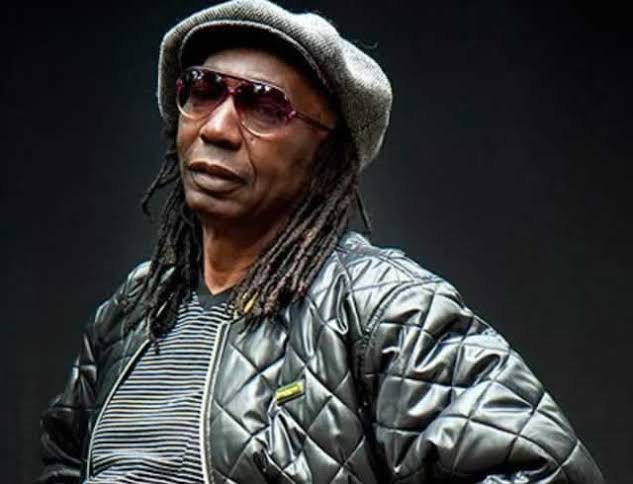
News that Thomas “Mukanya” Mapfumo has accepted a reported US$1 million deal from businessman Wicknell Chivayo for two exclusive performances has sparked intense public debate over the intersection of art, politics and principle.
The reported agreement is said to cover performances at Chivayo's birthday celebration and at musician Jah Prayzah's wedding.
For decades, Mapfumo has been regarded as one of Zimbabwe's most influential musical voices, with songs that have challenged corruption, injustice and poor governance.
His decision to accept the lucrative performances has therefore prompted mixed reactions, with some supporters questioning whether the move is consistent with the ideals long associated with his Chimurenga music.
Mapfumo has rejected suggestions that accepting the performances amounts to abandoning his principles.
In a public statement, he said: “First, I am, and will always remain, a human rights activist. Accepting a gift from a fan does not mean that I have abandoned my cause or betrayed my people or my music. My beliefs remain unchanged, and my conscience is clear. I understand the poverty, suffering, and daily struggles faced by my people.”
He also said he intends to donate most of the proceeds from the performances to charity.
Nevertheless, the announcement has reignited debate about the relationship between artists, wealth and political power in Zimbabwe.
- Lobby group bemoans impact of graft on women
- Corruption watch: Rogue cops: Blame it on the bosses
- DJ Ladyg2 fights stereotype in showbiz
- Corruption watch: Who is benefitting from the Pomona sham deal?
Keep Reading
Critics point to the contrast between the country's economic hardships and the lavish private events for which Mapfumo has reportedly been booked.
The performances are also expected to attract prominent political and business figures, placing Mapfumo in a setting that some observers view as politically sensitive.
For years, the musician, who has lived in the United States, has publicly criticised successive Zimbabwean governments, including the current administration, over issues such as governance, the economy and human rights.
Those well-documented positions have shaped expectations about how he might approach these high-profile performances.
Chivayo has previously described himself as a longtime admirer of Mapfumo's music, praising the musician's contribution to Zimbabwe's cultural and liberation history. Mapfumo, meanwhile, has maintained that his decision is purely professional — “ndezvebasa” — and should not be interpreted as a political endorsement.
That distinction will likely remain at the centre of public discussion.
Much of Mapfumo's catalogue is built around social and political commentary, making his choice of songs at the upcoming performances a subject of considerable public interest. Whether he performs the protest anthems that defined his career or opts for a less politically charged setlist is likely to be closely watched.
Supporters argue that an artist has every right to earn a living, regardless of the audience. Others contend that public figures whose careers have been built on speaking truth to power inevitably invite scrutiny when they perform at events associated with politically connected individuals.
Ultimately, only Mapfumo will determine what happens when he takes the stage.
Whether the performances are remembered simply as professional engagements or as defining moments in the legacy of Zimbabwe's foremost Chimurenga musician may depend less on the size of the reported fee than on the message he chooses to deliver through his music.