In Kadoma, the quiet pressure to experiment with drugs is running into something louder, whistles, cleats on grass, and the steady rhythm of training sessions.
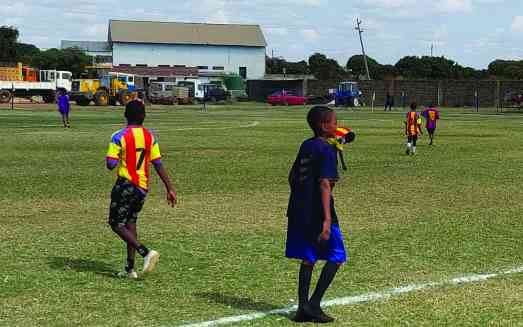
Kadoma Ward 8 councillor and deputy mayor Michael Mvura is using his soccer academy ( Pisa Pisa) and netball team to give more than 150 young boys and girls a structured alternative to the streets.
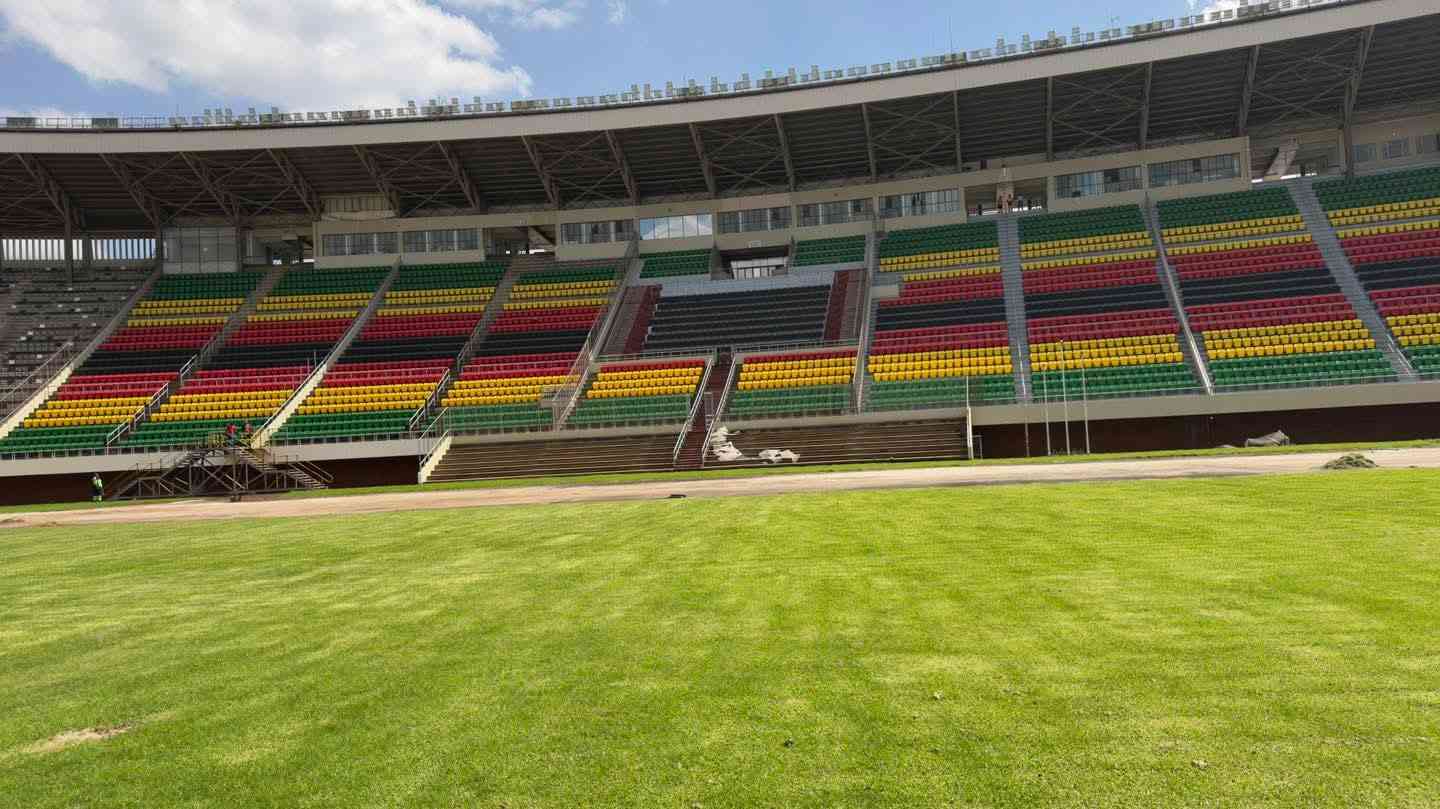
The effort got a major boost with the revival of the David Whitehead ground, a once-defunct field that is now being turned into a professional-standard ground.
As the pitch improves, so does the crowd. Fans who had stayed away for years are slowly starting to love the stadium again, turning match days into community events.
Like many Zimbabwean cities, Kadoma has seen drug and substance abuse creep into youth spaces. Idle time after school, limited recreational options, and peer pressure leave teenagers vulnerable.
For girls, the risks also include early school dropout and early child marriages. The goal is not to downplay the issue with shock stories, but to recognise that without safe, supervised spaces, young people default to what is available on the street.
“We cannot arrest our way out of this. If a 15-year-old has nowhere to go after school, someone else will find a place for him,” Mvura said during an interview at the ground. “Sport gives them a place, and it gives them people who expect more from them.”
Mvura's Pisa Pisa soccer academy runs regular training for over 150 boys and girls across different age groups, with a growing netball team operating alongside it.
- Bruised Gems get consolation win
- Musician draws inspiration from Madzibaba
- Musician draws inspiration from Madzibaba
- Gems appeal for more resources
Keep Reading
Sessions are held four to five days a week and are open to kids from across all the wards, keeping cost barriers low.
The revival of the David Whitehead ground has changed the dynamic. What was once a defunct field is now being rehabilitated into a professional ground.
Better playing surfaces, marked pitches, and improved access make it possible to run proper training and host matches. The visible upgrade has also shifted how residents see the space.
Attendance is creeping up, and families who used to avoid the area are returning to watch games.
Mvura says the ground itself is part of the message.
“When kids see us fixing the field, cutting the grass, marking the lines, they understand this matters. They start to respect it. They start to respect themselves.”
Beyond keeping kids busy, the academy is changing how they carry themselves day to day. Coaches track attendance, school reports, and behaviour. Players who miss training without reason or show up late to school face time on the bench, not just on the field.
According to the director, Discipline through routine where training times are fixed, and players are expected to arrive early for warm-up.
That routine carries over to school and home chores, Peer accountability where older players mentor younger ones.
“If you are using drugs, you cannot keep up in the second half,” one U17 player explained. “The team notices," and lastly Purpose and confidence where girls on the netball team say playing in front of parents has changed how they are seen at home.
“Before, I was just at home after school. Now my aunt comes to watch me play. It feels different,” said one 16-year-old player.
Mvura frames it as identity change. “We want them to say, ‘I’m a player first.’ Once that identity is there, they protect it. They don’t want to do things that will get them suspended or let the team down.”
Mvura pointed specifically to the netball team’s role in protecting the girl child. The team provides a structured space that pulls girls away from both drug use and pressure toward early child marriages.
Regular training and league matches give them a reason to stay in school and a community that checks on them.
“The netball team is doing more than playing games. It is keeping girls in school and out of situations that cut their future short,” Mvura said. “When a girl has training at 4 pm, she is not on the street at 4 pm. She has coaches and teammates asking where she was if she misses,” he pointed out.
The approach is showing results on the scoreboard too. Mvura noted that the team is doing well in the netball league, which has increased visibility and pride in Kadoma. “Winning matters because it shows the girls that their work is worth something. It brings parents to the ground, and it brings respect,” he said.
Early feedback from parents and local teachers points to better school attendance and fewer reports of idle loitering around known hotspots on training days. The kids themselves talk about the routine and the sense of belonging the teams provide.
The challenges are practical. Equipment needs constant replacement, transport for away fixtures is limited, and more qualified coaches would allow the academy to split groups by age and skill. Turning David Whitehead into a fully professional ground also requires ongoing investment in drainage, seating, and lighting for evening sessions.
“We are not asking for a stadium overnight,” Mvura said. “We are asking for partners who can help us keep the lights on, keep the balls inflated, and keep these kids coming back. Every week they come back is a week they are safe,” the Deputy Mayor pleaded.
The score in Kadoma isn’t only measured in goals. It’s measured in how many teenagers choose the pitch over the street and stay in that choice week after week.
By reviving the David Whitehead ground and building a consistent program around the soccer academy and netball team, Mvura has given Kadoma a model that works with the resources at hand.