In a move that signals a deepening crisis of governance in Zimbabwe, the country’s Catholic bishops have emerged as the moral vanguard against a brazen attempt to dismantle the nation's democratic framework.
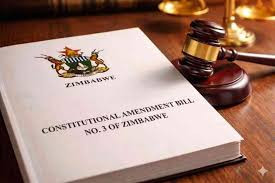
The Zimbabwe Catholic Bishops’ Conference (ZCBC) has filed a sweeping rejection of the Constitution Amendment (No. 3) Bill, 2026, a piece of legislation that seeks to strip citizens of their most fundamental rights while entrenching the power of the incumbent.
By challenging this bill, the bishops are not merely engaging in policy debate, but they are also defending the "moral and institutional foundations" of the nation.
At the heart of this legislative assault is Clause 2, which aims to abolish the direct election of the president, replacing the will of the people with a parliamentary vote.
As the bishops rightly observe, this move fundamentally alters executive legitimacy and betrays the hard-won principles of the liberation struggle—specifically, the right of citizens to determine their leadership directly through "one person, one vote."
The government’s justification—that this will reduce "electoral toxicity"—is a transparently thin excuse for mass disenfranchisement.
Perhaps most egregious is the attempt to extend presidential and parliamentary terms from five to seven years, specifically for current office holders.
By attempting to bypass Section 328(7) of the constitution—a provision designed specifically to prevent incumbents from benefiting from their own term-limit amendments—the government is engaging in a legal sleight of hand that threatens the very concept of constitutional supremacy.
- Chamisa under fire over US$120K donation
- Mavhunga puts DeMbare into Chibuku quarterfinals
- Pension funds bet on Cabora Bassa oilfields
- Councils defy govt fire tender directive
Keep Reading
The bishops’ warning is clear: such maneuvers render safeguards vulnerable to "temporary parliamentary majorities" and invite the kind of instability seen elsewhere in Africa when leaders refuse to relinquish power.
The bill further seeks to hollow out the independence of the judiciary and the electoral process.
From weakening judicial appointment safeguards to transferring control of the voters' roll away from the Zimbabwe Electoral Commission, the intent is the concentration and potential abuse of power.
The plan to politicise traditional leaders and abolish commissions dedicated to gender and national reconciliation shows a total disregard for the institutional checks required in a modern democracy.
The ZCBC’s demand is principled and just: parliament must throw out these clauses or put them to a national referendum. In a region where democratic backsliding is an ever-present shadow, the courage of Zimbabwe’s bishops offers a vital defense of the sovereign will of the people.
The international community must echo their call: the Zimbabwean constitution is not a tool for personal longevity, but a sacred mandate from the people.