ALL is set for the fourth edition of the National Education Summit Zimbabwe (NESZ) 2026 to be officially opened by President Emmerson Mnangagwa in Bulawayo next week, with organisers describing the high-level gathering as a major turning point in the transformation of the country’s education sector.
The four-day summit, scheduled for May 27 to 30 at the Zimbabwe International Trade Fair grounds, is expected to bring together government officials, educators, development partners, financiers, labour unions, tertiary institutions and private sector players from across the country.
The summit is being organised by Action for Empowerment Zimbabwe (AEZ) in partnership with Business Diary and in collaboration with the Ministry of Primary and Secondary Education.
Running under the theme, “From Policy to Practice: Driving Innovation and Investment in Zimbabwe’s Education System,” the summit will focus on accelerating the implementation of education policies while unlocking opportunities for innovation, partnerships and sustainable financing.
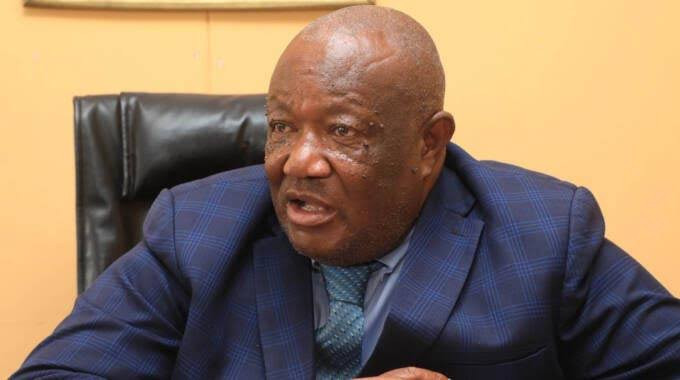
AEZ president Alson Darikayi said the summit seeks to move beyond policy debates and focus on practical and measurable solutions capable of strengthening Zimbabwe’s education system.
“Zimbabwe will host the fourth edition of the National Education Summit Zimbabwe, convening the country’s largest and most influential gathering of education stakeholders across the full value chain,” Darikayi said.
“The focus of NESZ 2026 is to produce practical, measurable solutions that can strengthen our education system and ensure that policy translates into real impact on the ground.”
He said President Mnangagwa’s expected attendance as guest of honour reflects the strategic importance Government places on education reform and national development.
- NoViolet Bulawayo’s new novel is an instant Zimbabwean classic
- Jah Prayzah, Zanu PF rekindles ‘lost love’
- Bank workers appeal to Ncube for tax relief
- Indosakusa marks 21-year anniversary milestone
Keep Reading
“The President’s role as guest of honour affirms that education reform is a matter of national strategic importance and reinforces the Summit’s objective of aligning policy, investment and implementation,” he said.
The summit will be convened by Torerai Moyo and is expected to feature discussions on education reforms, implementation strategies, technology integration, infrastructure development and financing models for schools and tertiary institutions.
Cabinet ministers expected to attend include Mthuli Ncube, Tatenda Mavetera, Jenfan Muswere, Frederick Shava, Edgar Moyo and Mangaliso Ndlovu.
Legislators expected at the gathering include Supa Mandiwanzira, Getrude Mutandi and Stanley Sakupwanya.
The summit will also draw participation from education institutions, unions and financial sector stakeholders, among them Tim Middleton, Annah Moyo, Canaan Mpala, Sifiso Ndlovu and Garainashe Changunda.
Discussions on inclusive education and rural learning infrastructure are expected to feature contributions from Retlaw Matorwa and Isaac Matisiele.
Businessman Kudakwashe Tagwirei is also expected to speak on land tenure policy frameworks and implementation issues, focusing on the role of the Land Tenure Implementation Committee in Zimbabwe’s development agenda.
Permanent secretary in the Ministry of Primary and Secondary Education, Moses Mhike, said the summit would provide a strategic platform for dialogue, partnerships and practical solutions aimed at transforming the country’s education sector.
“We encourage schools and education stakeholders to actively participate in this important national platform as Zimbabwe collectively works towards strengthening education delivery, innovation and sustainable development within the sector,” Mhike said.
Meanwhile, Transparency International Zimbabwe (TIZ) has called for stronger governance, transparency and accountability systems within educational institutions ahead of the summit.
TIZ executive director Tafadzwa Chikumbu said corruption in education weakens national development, compromises learning outcomes and widens inequalities.
“Education is not only a beneficiary of good governance, but also a driver of ethical leadership and integrity building within society,” Chikumbu said.
He said strengthening accountability and transparency systems within educational institutions was critical to protecting public trust and ensuring equitable access to quality education.