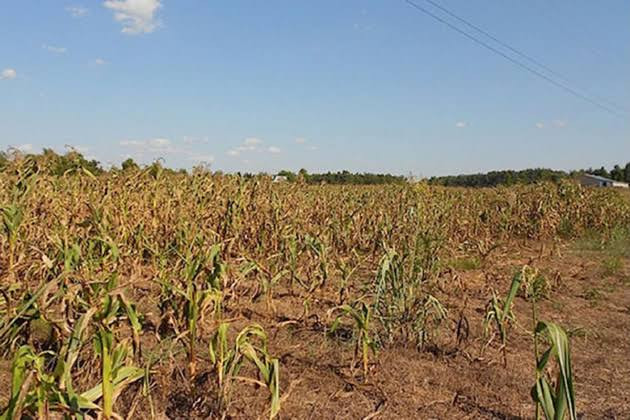
Zimbabwe is bracing for another major climate shock as humanitarian agencies warn that a rapidly intensifying El Niño is forecast to reach "exceptional strength" at a critical time for the country’s fragile agricultural sector.
According to the latest regional preparedness alert, the weather phenomenon is projected to persist from July 2026 through March 2027, with a "greater than 90% likelihood of reaching very strong intensity."
The timing is particularly devastating for local smallholder farmers, as the dry conditions are expected to peak during the October-to-April rainy season, directly coinciding with the crucial planting and crop-growing window.
"There is a 70% chance that October–December rainfall deficits will exceed those recorded during any El Niño year since 1950," warned the United Nations Office for the Coordination of Humanitarian Affairs (Ocha), in coordination with regional climate partners in the alerted dated August 28.
For a country still reeling from the catastrophic 2023/24 drought, which triggered a national state of disaster, the stakes could not be higher.
That previous shock devastated crops, pasture, and water supplies across the region, triggering widespread water shortages that heightened cholera and other disease outbreaks.
Although stronger 2025/26 harvests have provided a temporary cushion, vulnerabilities remain deeply entrenched across the country.
In its regional risk tracker, Ocha has classified Zimbabwe as a country of "high concern."
- Highlanders fires coach over poor results
- Business opinion: Branding through human capital
- Business opinion: Branding through human capital
- COP26 a washout? Don’t lose hope – here’s why
Keep Reading
Climate analysts project that rural households in deficit areas will face "Stressed (Phase 2) conditions, deteriorating to Crisis (Phase 3) from October 2026 to January 2027" due to reduced agricultural production, declining food access, and high fuel and transport costs.
Zimbabwe is not alone in its predicament. Neighbouring Zambia and Angola also share the "high concern" status, while Madagascar, Malawi, and Mozambique face very high risk levels.
Across Southern Africa, some 13.3 million people are already experiencing acute food insecurity, highlighting how easily another major shock could reverse recent recovery gains.
In response to the looming crisis, local authorities are scrambling to implement preventative measures.
"Zimbabwe has activated drought anticipatory action," Ocha confirmed, noting that early interventions—including the distribution of drought-tolerant seeds, livestock protection, and water harvesting—must be delivered before planting begins.
However, regional mitigation plans face a massive funding gap, with approximately 80% of planned activities currently unfunded.
Experts emphasise that the next two to three months represent a temporary but critical window to build grain and water reserves.
Humanitarian partners warn that funding delivered after October will arrive "too late to prevent avoidable losses to crops, livestock, and livelihoods," leaving millions once again at the mercy of an unforgiving climate.