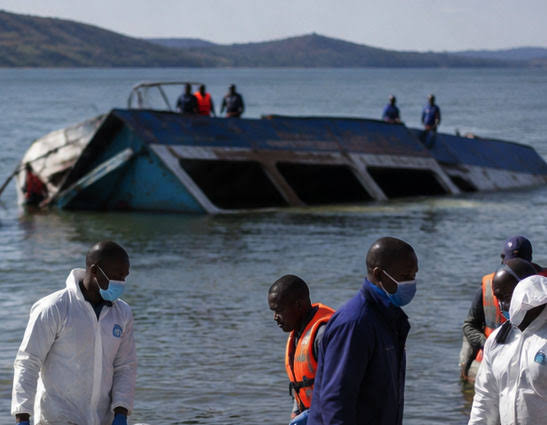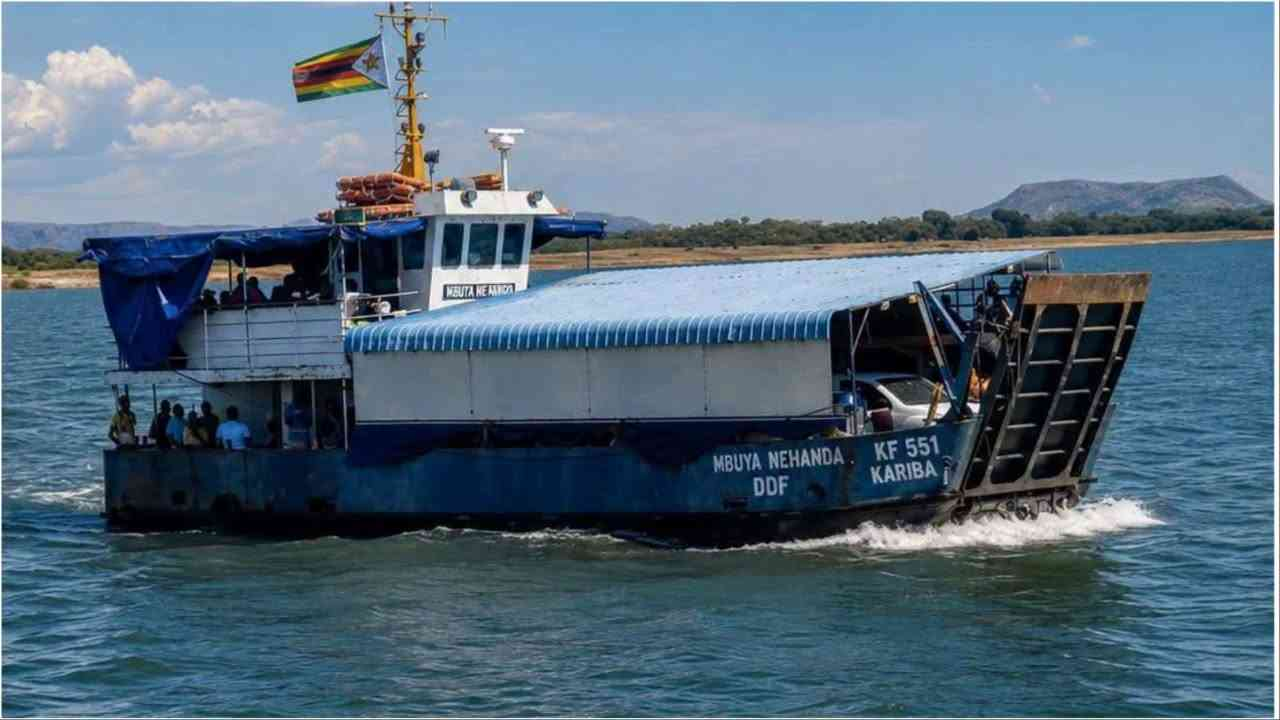
The tragic loss of 97 lives in the Mbuya Nehanda ferry disaster on Lake Kariba is not just a heartbreaking mishap; it is a damning indictment of state negligence.
This tragic, unmitigated catastrophe was entirely preventable, the direct consequence of a government that willfully ignored repeated, urgent warnings from the United Nations and the International Maritime Organisation.
A damning 2019 UN report, exclusively obtained by The Standard, laid bare the terrifying hazards stalking thousands of passengers daily. The UN explicitly warned authorities that “in the event of an emergency the passengers will be on their own.”.
Yet, instead of addressing these critical hazards, the Ministry of Transport shelved the report, repeating a pattern of apathy that dates back to an ignored 2000 IMO report.
The details of this negligence are blood-boiling.
Our lake navigation safety is being run by a skeleton staff, with only 19 of 61 approved safety posts filled.
Worse, vital roles such as surveyors, examiners, and the chief harbour master are manned by individuals holding social science degrees rather than marine engineering credentials.
With over 18 000 vessels operating on the lake, there is absolutely no organised maritime search and rescue system.
- RhoNaFlo: A journey worth remembering
- ‘Binga not fully marketed’
- Increased poaching in Kariba threatens fish farming
- Sex workers, street kids in running battles
Keep Reading
The control tower lacks documented emergency response plans and operates with inadequate radio communications that fail to cover the lake.
Only a single navigation aid exists at the entrance of Kariba harbour. On the fateful day of August 11, these systemic failures catastrophically collided.
The state-run Mbuya Nehanda ferry was cleared to sail into heavy storms while severely overloaded, without maintaining required logbooks, and without carrying essential speedboats in tow.
When the catastrophic crisis struck, there was absolutely no organised rescue system to save them.
True to form, the government has responded with classic buck-passing, shifting the blame entirely onto the deceased captain who also tragically perished.
This is a cowardly, disgraceful betrayal of the victims. The captain did not hollow out the safety department.
The captain did not leave the lake without basic weather monitoring equipment, adequate navigation aids, or functional, round-the-clock radio coverage.
The blood of the 97 citizens who perished is on the hands of a government that treats safety recommendations as mere optional paperwork.
To redeem itself, the government must ensure the urgent recruitment of qualified marine engineering personnel, and the establishment of a fully-equipped, modern search and rescue coordination system.
Our citizens must never again be left to drown entirely alone on Lake Kariba.