The issue of drug and alcohol abuse has lately developed into a teething challenge in the country with increased youths engaging in the vice, despite its destructive consequences.
The most disturbing aspect of drugs and alcohol abuse is that it has an impact on the country’s future given that it is the youth that has become the focal point of this problem.
Many might wonder which drugs and substances we are referring to.
Besides marijuana (mbanje), which has been around for generations, newer substances have emerged that go by different names depending on where you are.
These include crystal meth (dombo), mutoriro, guka, Bron Cleer, cocaine, glue and musombodhiya, among others.
Zimbabwean authorities have all but admitted that the drug problem is deep-rooted in the country with the government setting up a commission solely meant to deal with the issue of drug and substance abuse towards the end of last year.
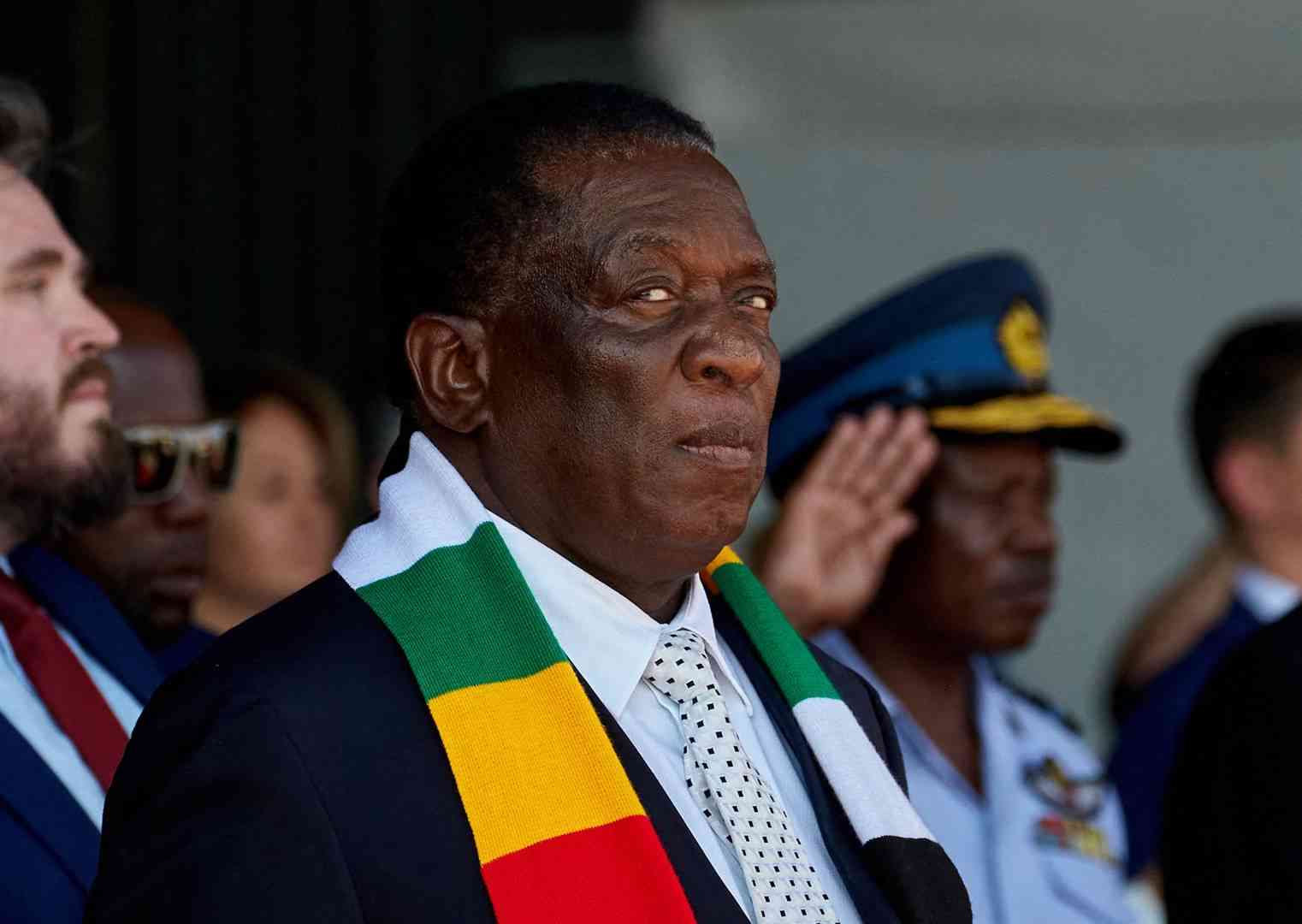
Last year, while addressing crowds thathad gathered for the National Youth Day commemorations in the capital, Harare, President Emmerson Mnangagwa said the government had established the National Drug Abuse Fund, which has been provided for in this year’s budget.
The extent of the indulgence in drugs and substance abuse in the country is phenomenal and has even reached alarming levels, forcing authorities to act.
- Mama’s peanut butter maker injects US$1,5m, lifts award
- Drug users amplify voice on drug decriminalisation
- Dembo’s music lives on
- ‘Holistic approach needed to tackle drug scourge’
Keep Reading
To produce a broad and informed conceptualisation of the drug problem – which is very real by the way – in the country, we must explore the causes of the scourge.
Research has shown that the following are reasons why young people fall into the drug trap.
- Family history of addiction. Drug addiction is prevalent in some families and involves genetic predisposition.
- Mental health disorder
- Peer pressure
- Lack of family involvement in finding solutions to the challenge
- Limited or no knowledge about the effects of drugs
- Idleness which results from unemployment
Attempts to find solutions to the drug problem have been rooted in the legal approach where suspected offenders are rounded up, tried, and even jailed at times.
The criminalisation of drug and substance abuse may not produce the desired result, making it difficult for young people to speak out and seek help.
It would be better if authorities adopted the public health approach, which would prioritise the rehabilitation of individuals who are found to be abusing drugs and substances.
In terms of the drug problem, the market for drugs is in urban areas where idle youths are the biggest consumers.
Recently, the government announced steps it was taking towards intensification of prevention, harm reduction, treatment, and rehabilitation efforts.
These would also include reduction of demand and elimination of supply and availability of illicit and over-the-counter substances and drugs.
The government said that the capacities, efficiency and activities of the police, justice and customs departments would be complemented and strengthened, adding that the government noted with satisfaction the swift response by the country's security forces which resulted “in the arrest of over 200 culprits involved in the trade of illicit substances and drug lords”.
In the short term, the government said it will operationalise the Zimbabwe National Drug Master Plan (ZNDMP 2020 to 2025) and Treatment and Rehabilitation Guidelines of Alcohol and Substance Use Disorder of Zimbabwe (TRGASUD ZIM).
Whilst the government indicated that it would identify and improve existing mental health facilities that could admit affected children, youths and adults including a dedicated child psychiatric hospital in each province until they have recovered, we still must check on the progress that has been made towards the achievement of these ambitious targets.
On paper, the government’s moves sound noble.
The establishment of a national call centre for drug and substance abuse providing online psychosocial support and related information as well as the opening of youth centres and increasing empowerment opportunities for young people and strengthening their vocational training programmes could assist in solving the problem.
However, the source of the funds to put this into action is not known.
Revamping family support structures and facilities that will address the negative impacts of drug and substance abuse on the immediate and extended family and the call on local authorities to revive and expand youth clubs and recreational facilities appears quite noble but the modalities of doing this remain questionable when virtually all free land in urban areas has been taken over and parcelled out by land barons and politicians, including taking over stadiums and related spots.
Reviewing the National Policy on Drug and Substance Abuse, amending the Dangerous Drugs Act and increasing penalties on drug and substance abuse still fall under the legal route, which is meant to punish and not correct and rehabilitate.
The establishment of an inter-ministerial committee on drug abuse chaired by the Public Service, Labour and Social Welfare minister does not seem to have the potential to nip the scourge.
This brings to the fore two critical questions. The first one is: Who brings these drugs onto the market? The second one, which is equally crucial is Who is affected?
Let us look at the first question. As for marijuana and some cheap alcohol brands, the source is local.
But when it comes to cocaine and crystal meth whose sources are foreign, there is an invisible hand and syndicate involving enormously powerful people and the well-heeled people who get involved because of the lure of the dollar.
Besides, they have the funds to bring the illicit stuff into the country as well as bribe officials at entry points to get through.
The movement of these drugs cannot be done by donkey across some rural terrain.
Now, who is affected? It is the country and its future. There is no disagreement as to who constitutes the greatest percentage - 60 per cent - of Zimbabwe’s total population of 14,86 million, according to the World Bank.
The same is projected at 15 232 790 (projections of the latest United Nations data) and is expected to have grown to 15 331 428 as of July 1, 2022. It is the youth age group – under 35 years of age – and has always been touted as the future of the country.
Once young people get rooted in drugs and substance abuse, their contribution to the development of the country is doomed because they do not have time to participate in programmes in their communities.
Theirs becomes another world where there are no teething issues and yet one would expect them to be clamouring for a share in the mainstream political and economic activities in their communities and country.
The problem is not peculiar to Zimbabwe as many other countries are battling the same challenges.
However, their circumstances and approaches may be different, implying different outcomes.